
Intention/ Inspiration
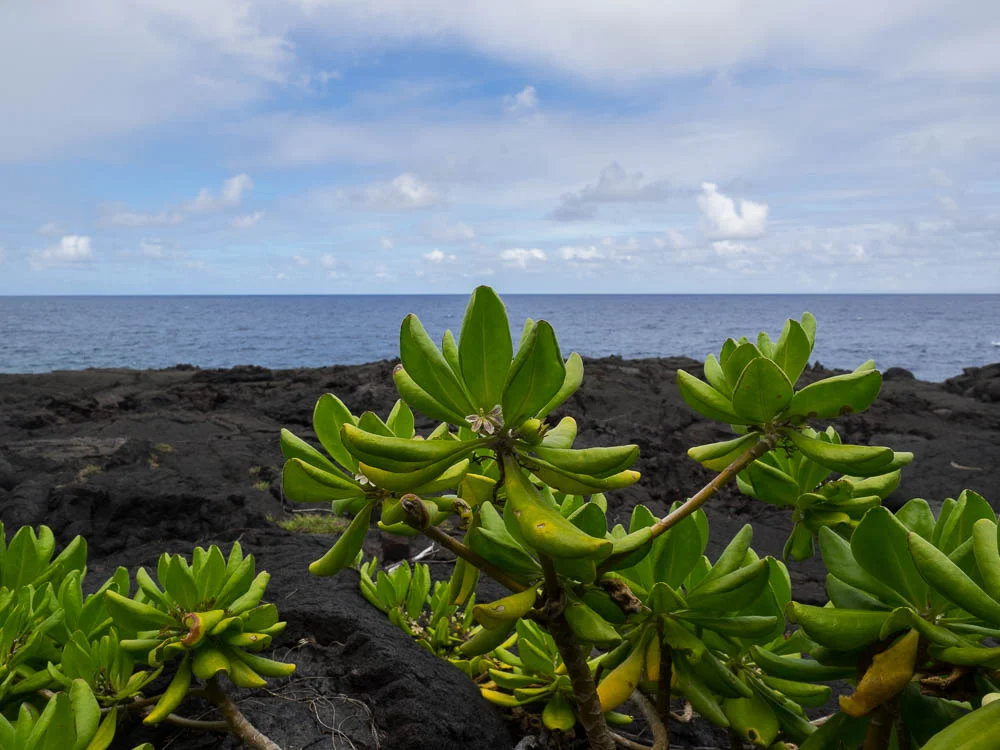
Big Island Hawaii - Photo by Derrick L Shaw
Because our lives are run by our already-existing beliefs and conditionings, our intentions are not always freely chosen. Our intentions for the most part are determined by our past, or, to be more precise, the meaning we gave past experiences. In other words, our intentions are limited by our beliefs. We cannot intend to achieve more than our beliefs will allow.
Inspiration, on the other hand, is created out of nothing. It is a calling, the universe or god. It is a purpose that we are meant to fulfill and is not limited by our own limited beliefs. Inspiration comes to us or through us and intention in many cases is based on who we think we are or some might call the ego.
In the first stage you are a victim. We’re all born into it and most of us stay there. With coaching or the right books or the right movies, you one day break free.
As soon as we are born all of the influences of our environment start to program us. The ego is who we think we are and we go through life being pushed one way or another. Eventually we grow up and learn that we have power. We decide where we want to go and what we want to do in life. At some point we realize that we have a choice but we don't have control. You realize that you don't have all power and that there are things you cannot change. Eventually we surrender and in this surrender is where you can allow yourself to receive inspiration from something greater than yourself and not the ego.
Anderson Valley California
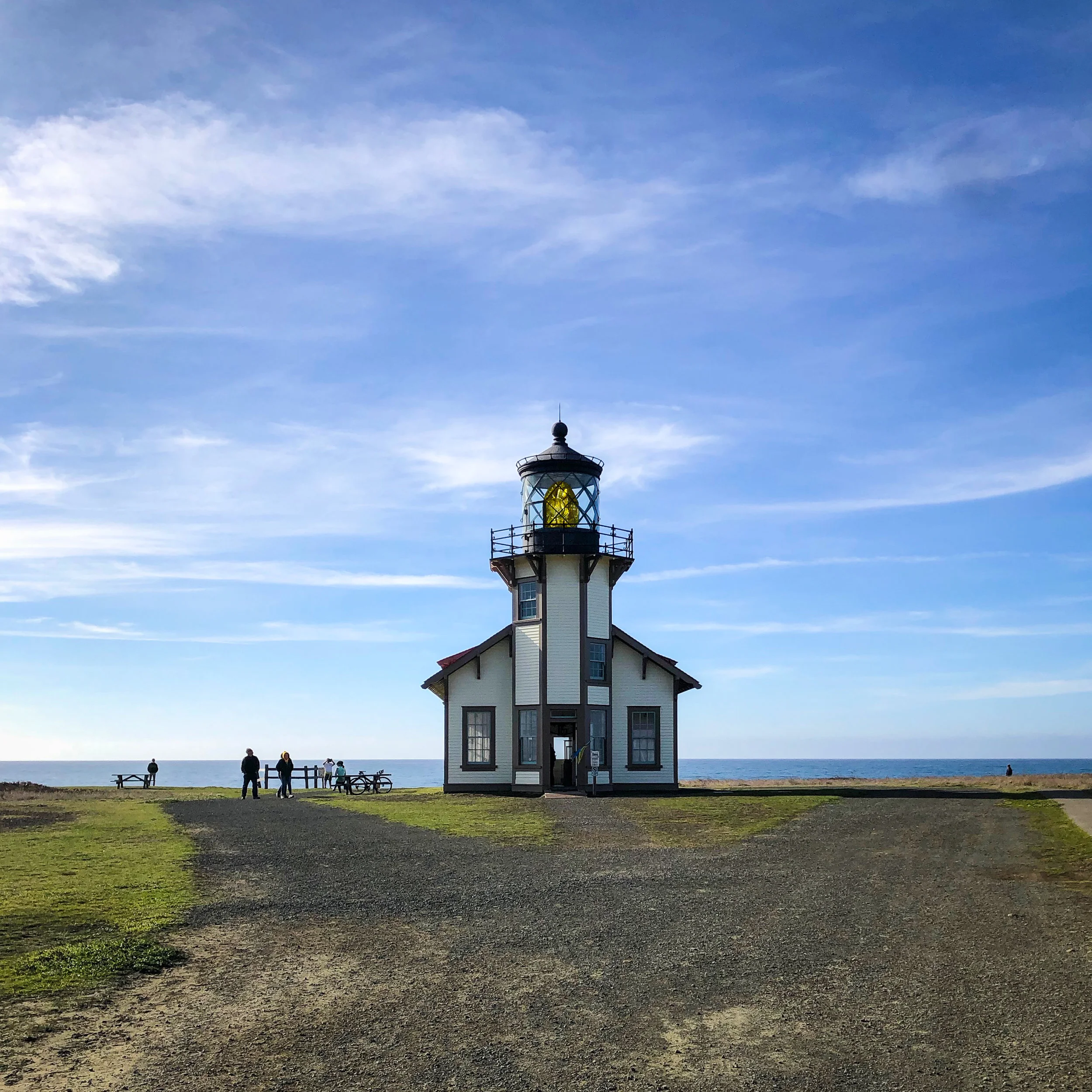
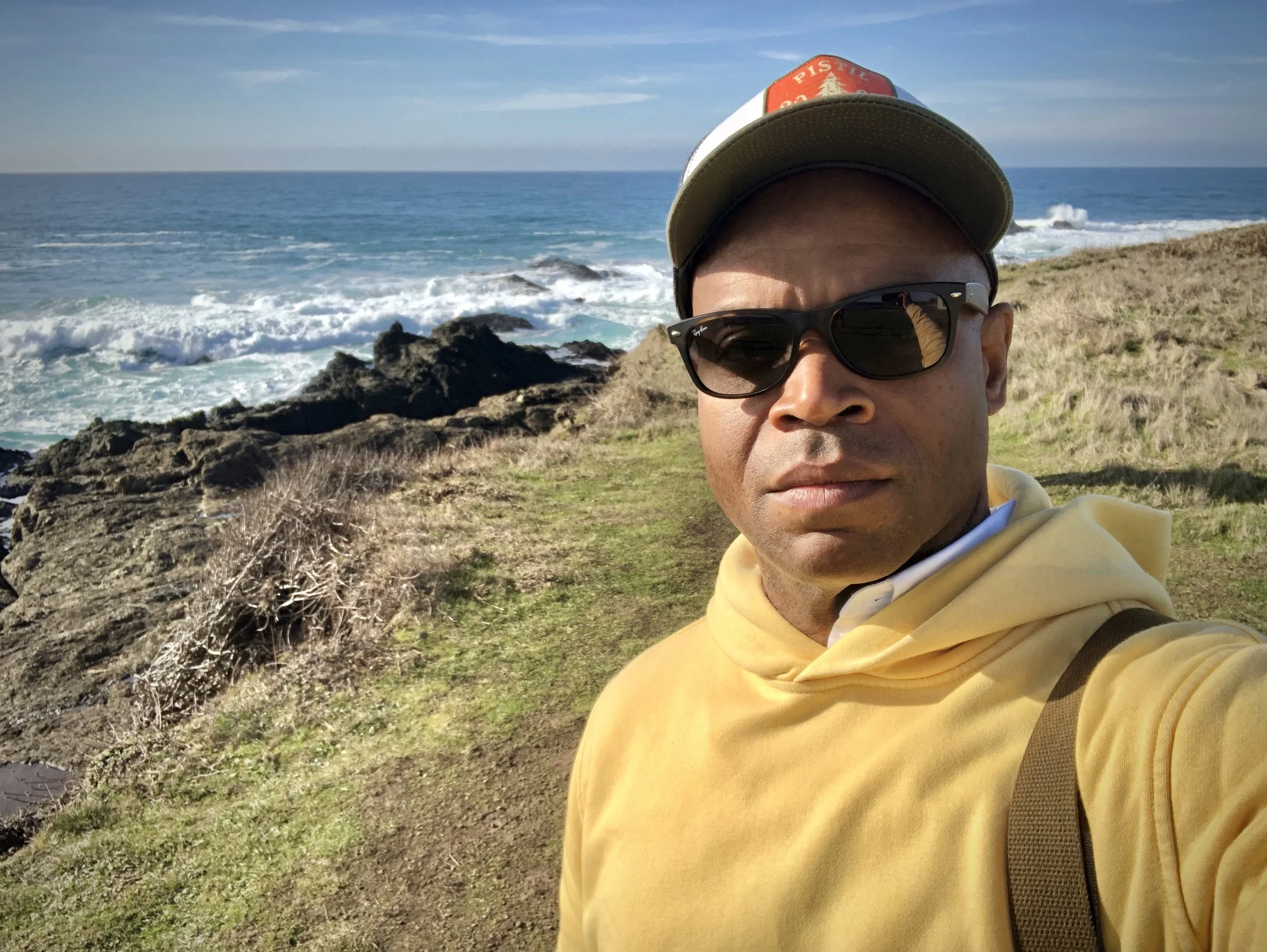
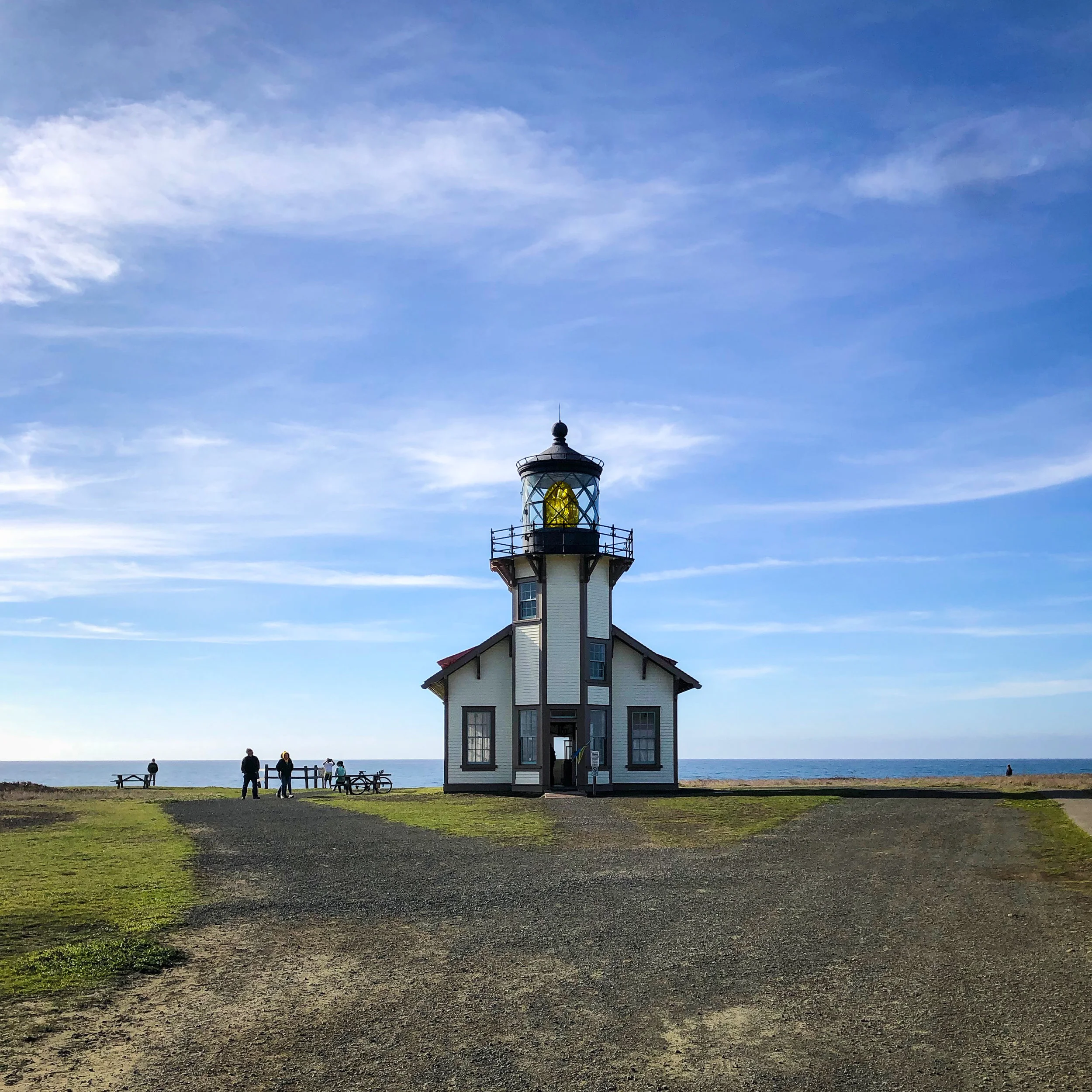
Point Cabrillo Light is a lighthouse in northern California, United States, between Point Arena and Cape Mendocino, just south of the community of Caspar. It has been a federal aid to navigation since 1909. It is part of the California state park system as Point Cabrillo Light Station State Historic Park Photo by Derrick L Shaw
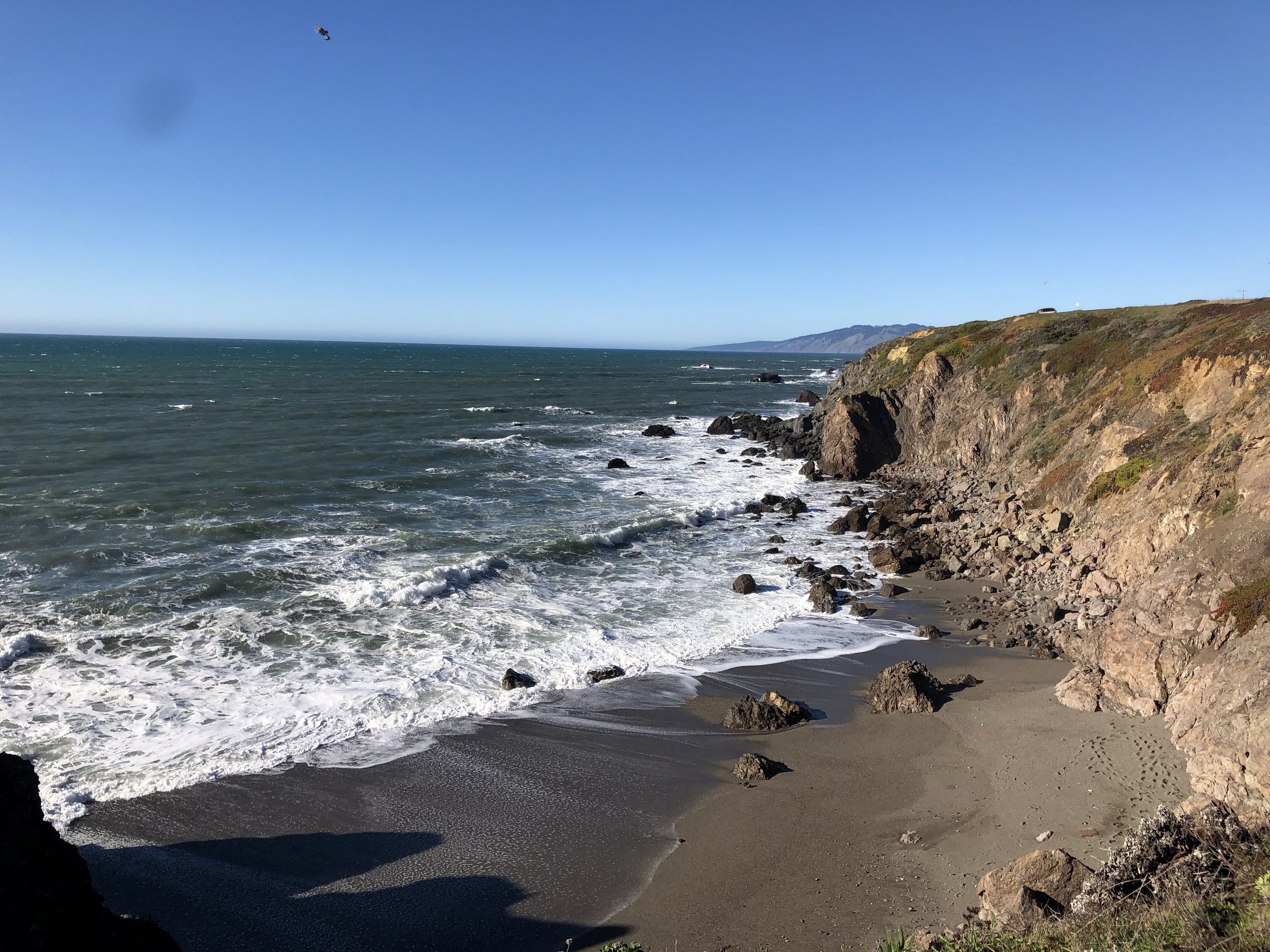
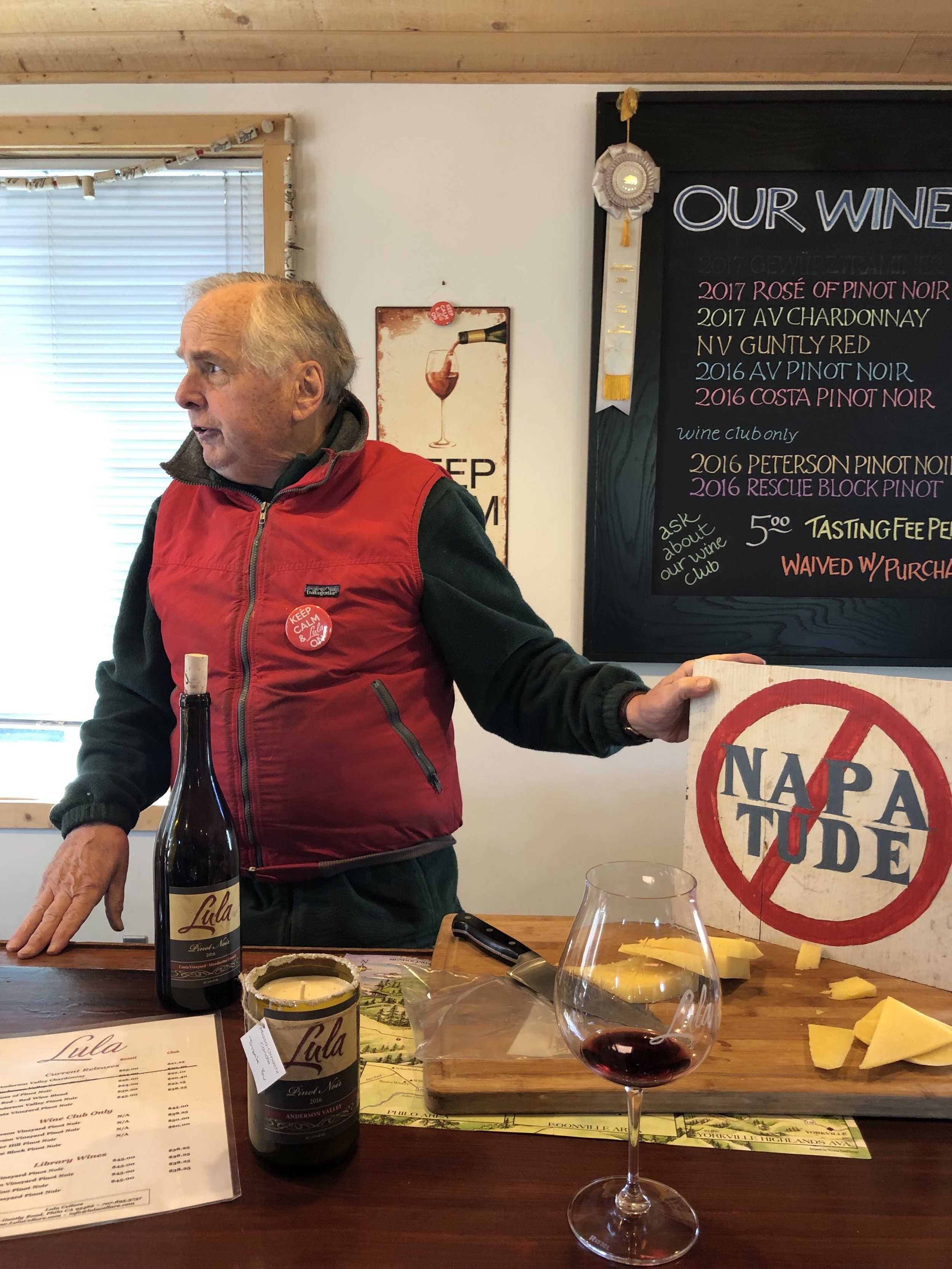
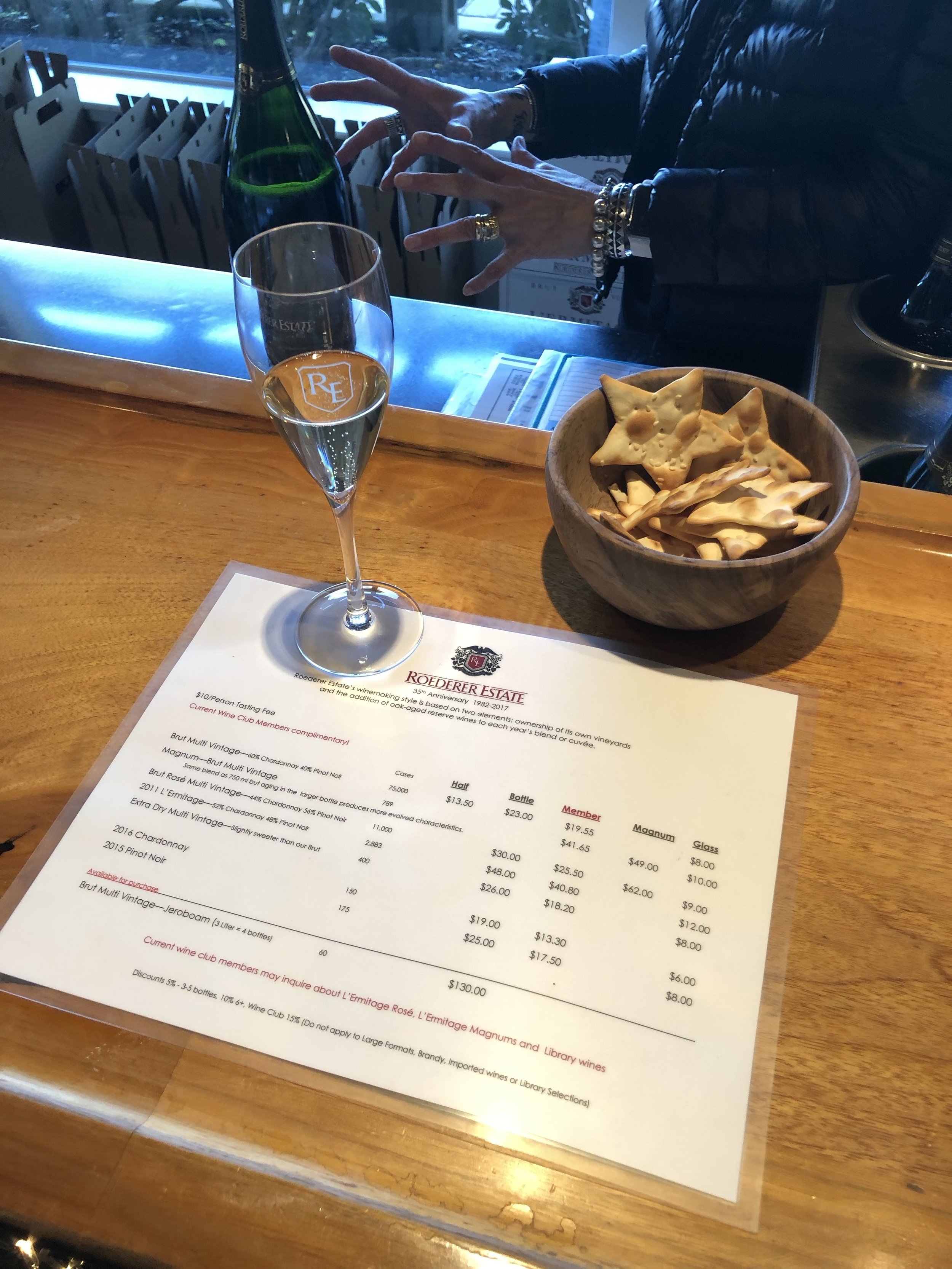
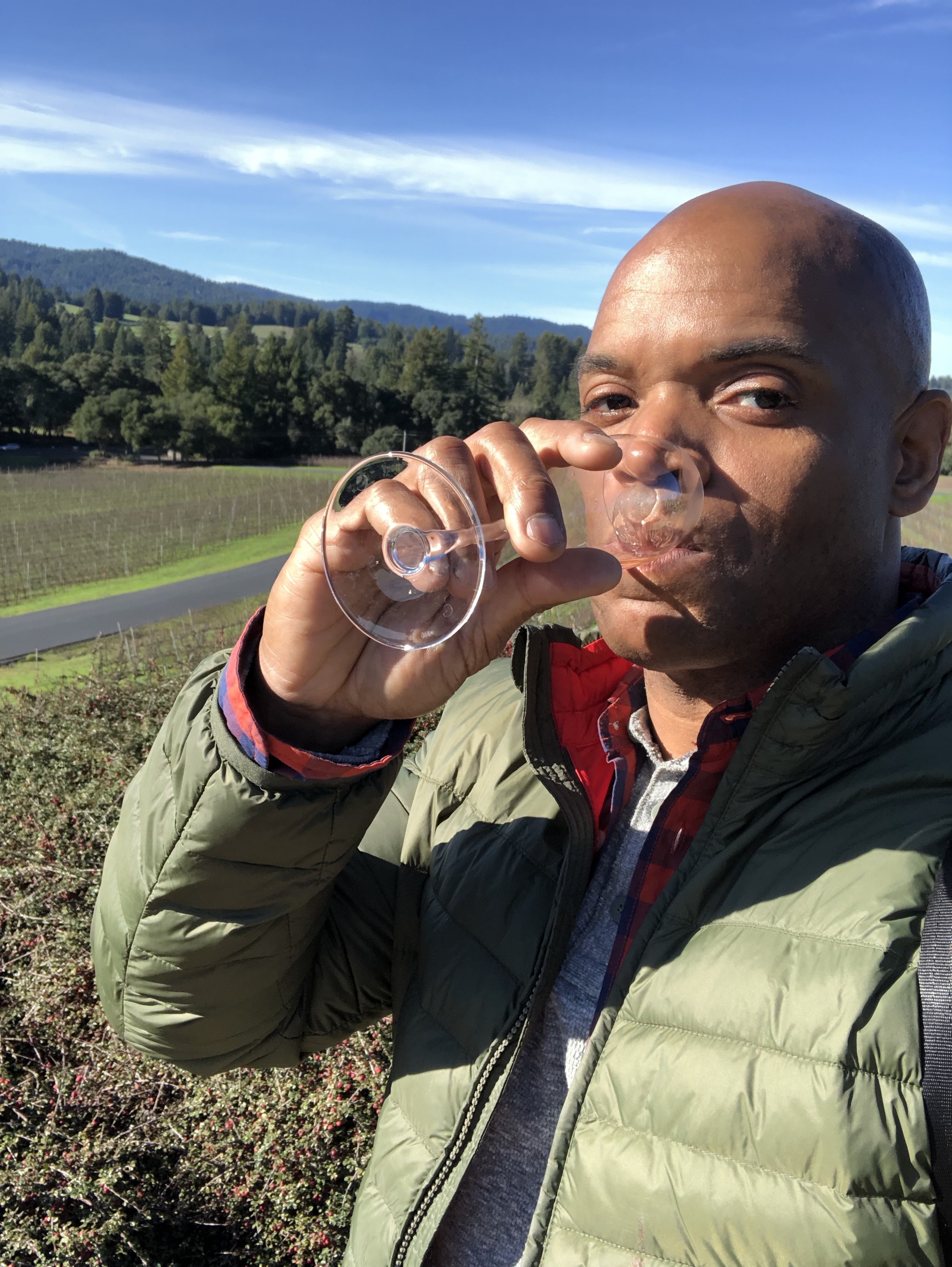
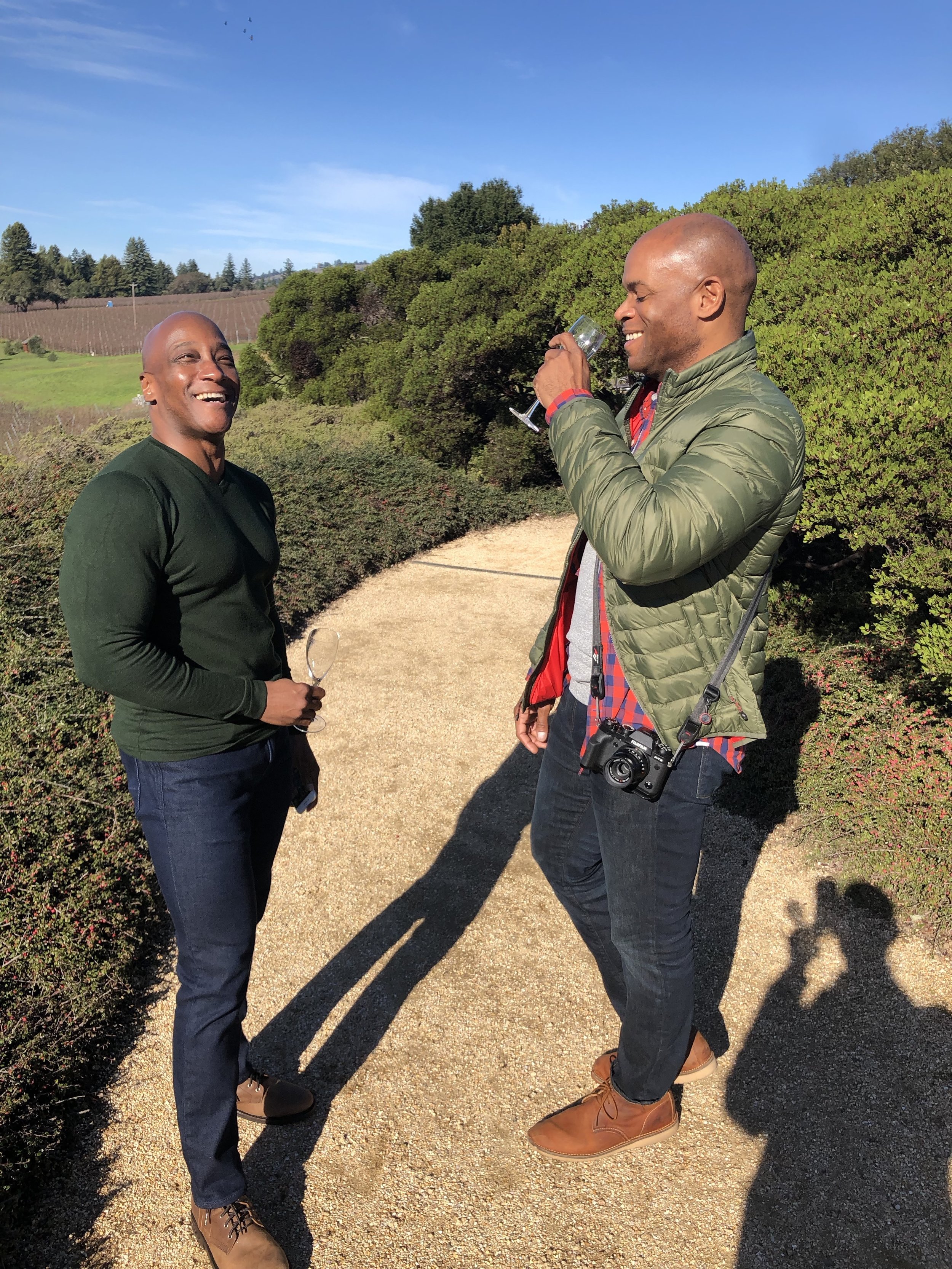
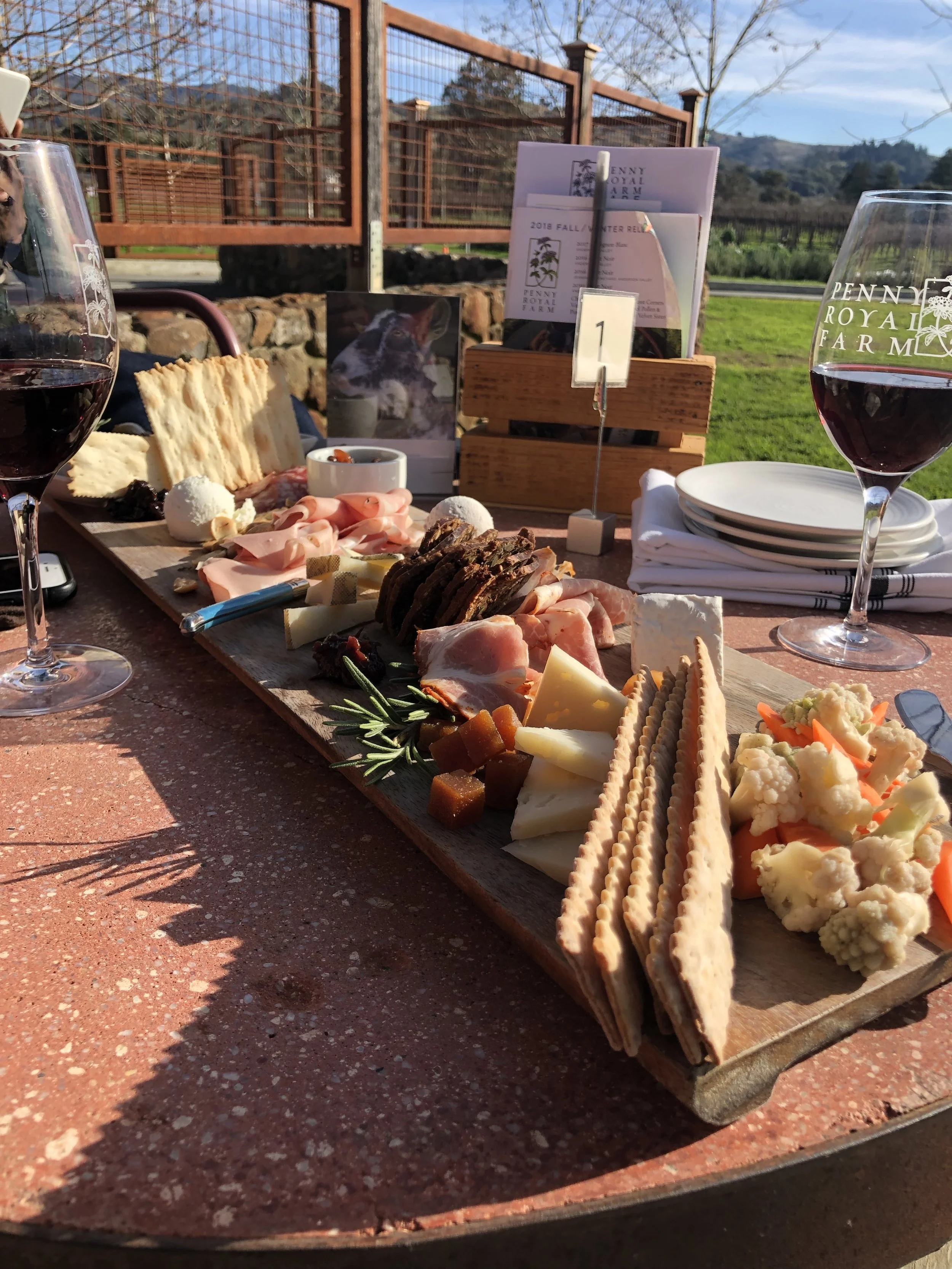
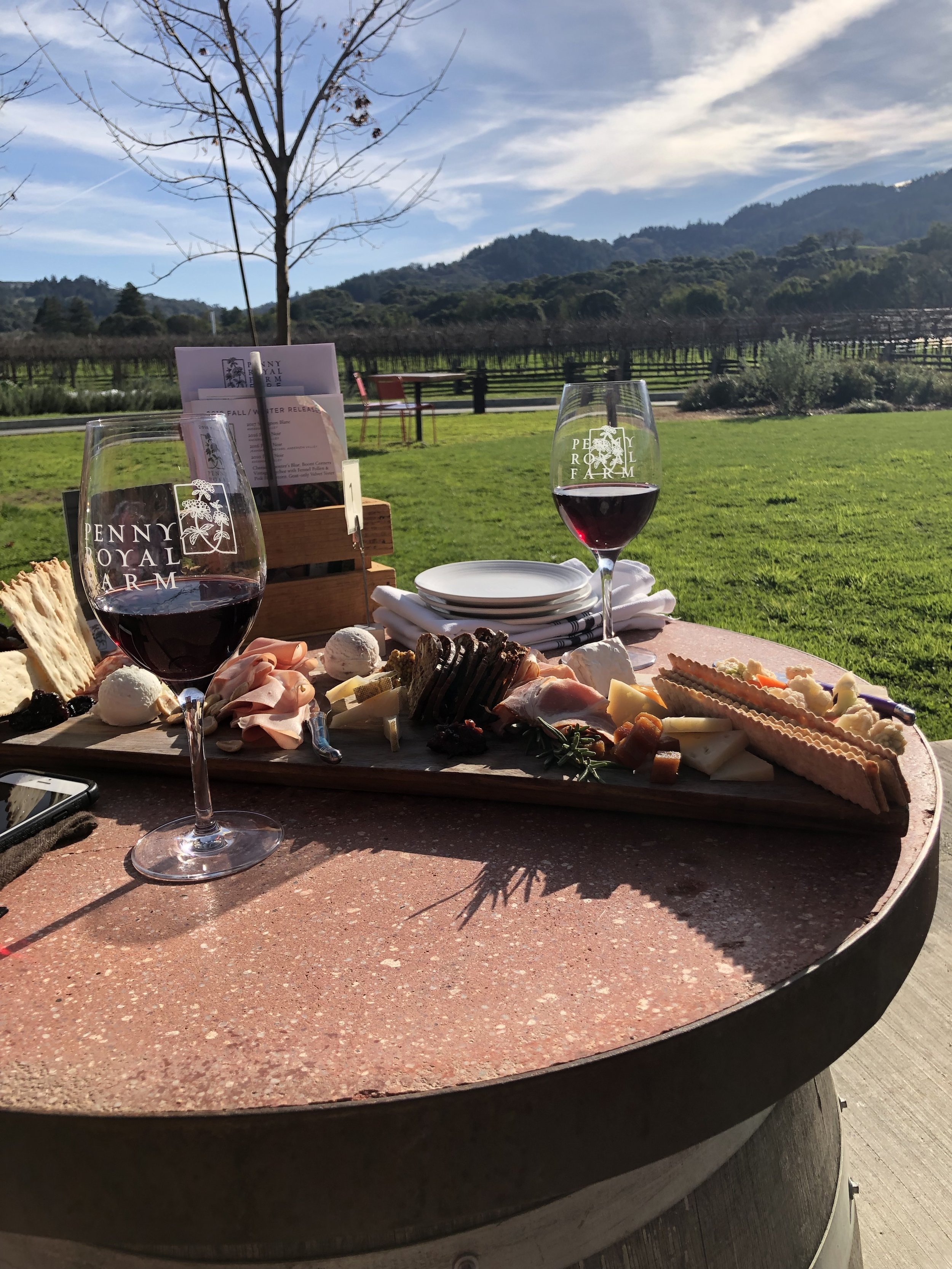
Recently I took a trip with a couple of friends to the Anderson Valley Region of northern California. Initially I didn't know what to expect but I was quite surprised once I arrived.
Imagine the backdrop of a Netflix suspense series in a mountainous town out in the middle of nowhere. It starts with a famous writer who lives in a beautiful house on one of the mountains. It seems like everyone in town drives a Volvo station wagon or a Subaru. Everyone in town knows everyone else and is extremely friendly. When someone new comes to town, everyone knows within hours of them checking into the hotel.
I’m exaggerating (a little) but this is what the Anderson Valley region feels like when you first arrive. It sort of an oasis that almost feels like a set up for a good movie.
A person frequently associated with Anderson Valley is a man who happens to share the same name “Anderson”, a hippie who decided to take refuge in the area back in the 70s. The story is that Anderson moved to the area in his VW bus to get away from “the city” where he could raise his family. Initially he landed in Boonville, CA but eventually found a ranch south of town where he landed, found work and stayed. Anderson was not the first to come to the area seeking refuge. There were many before him and after him seeking the utopia of northern California. In the 70s, the area became a destination for hippies who found work in the timber industry that ended up buying land and staying to raise a family. While Anderson Valley is not named after Anderson the man; he is an example of the lineage that makes up this eclectic area of northern California.
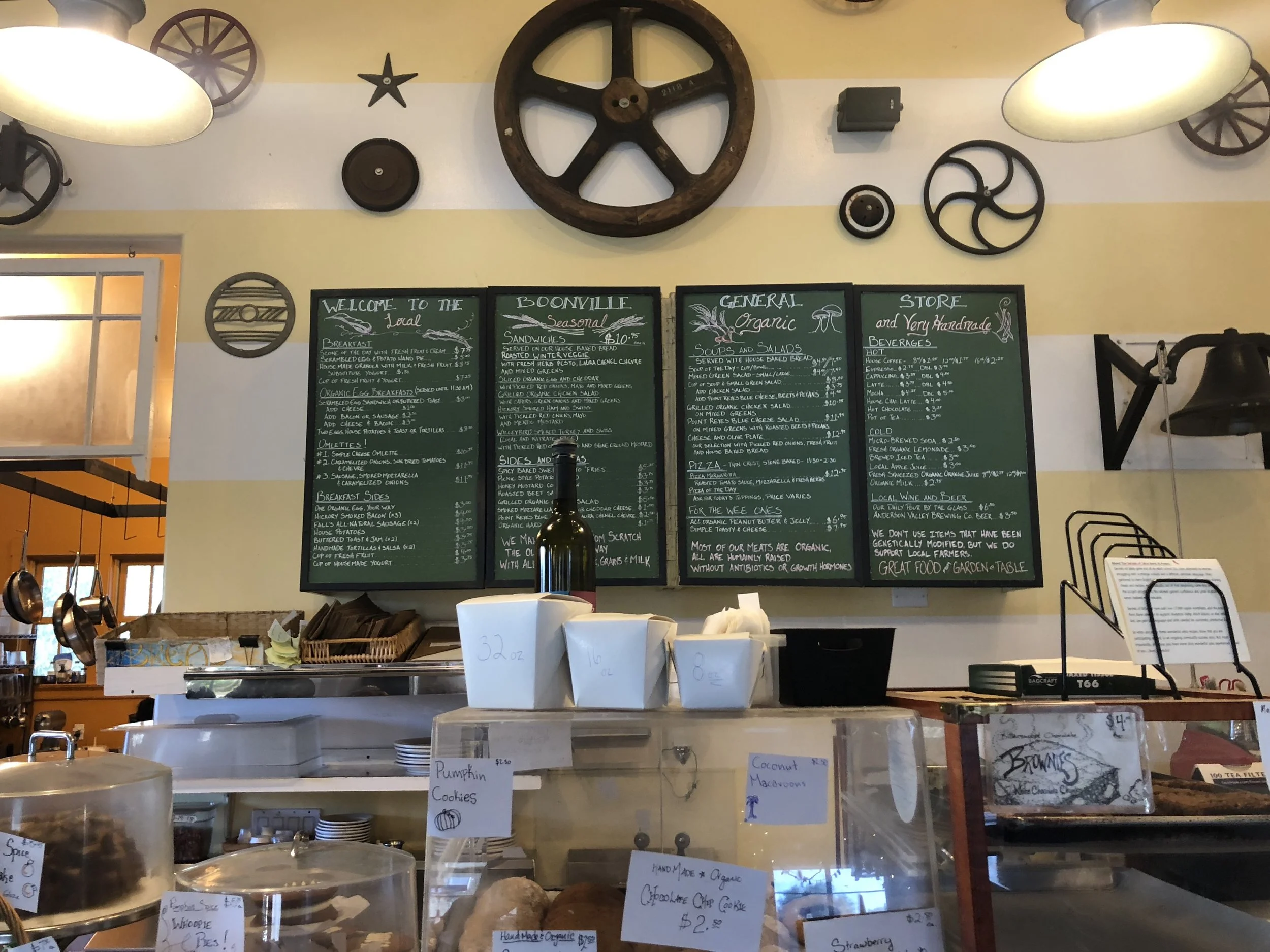
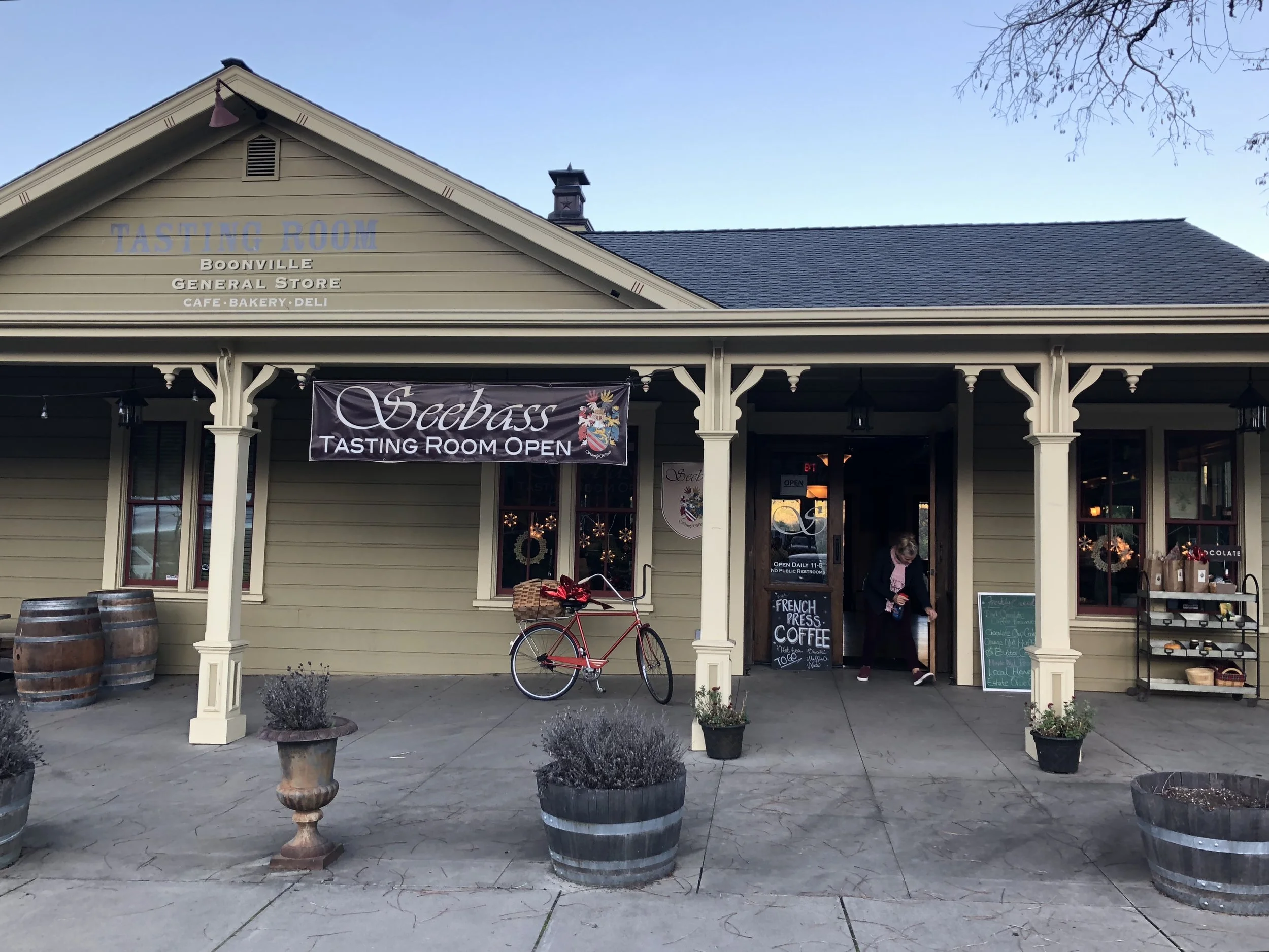
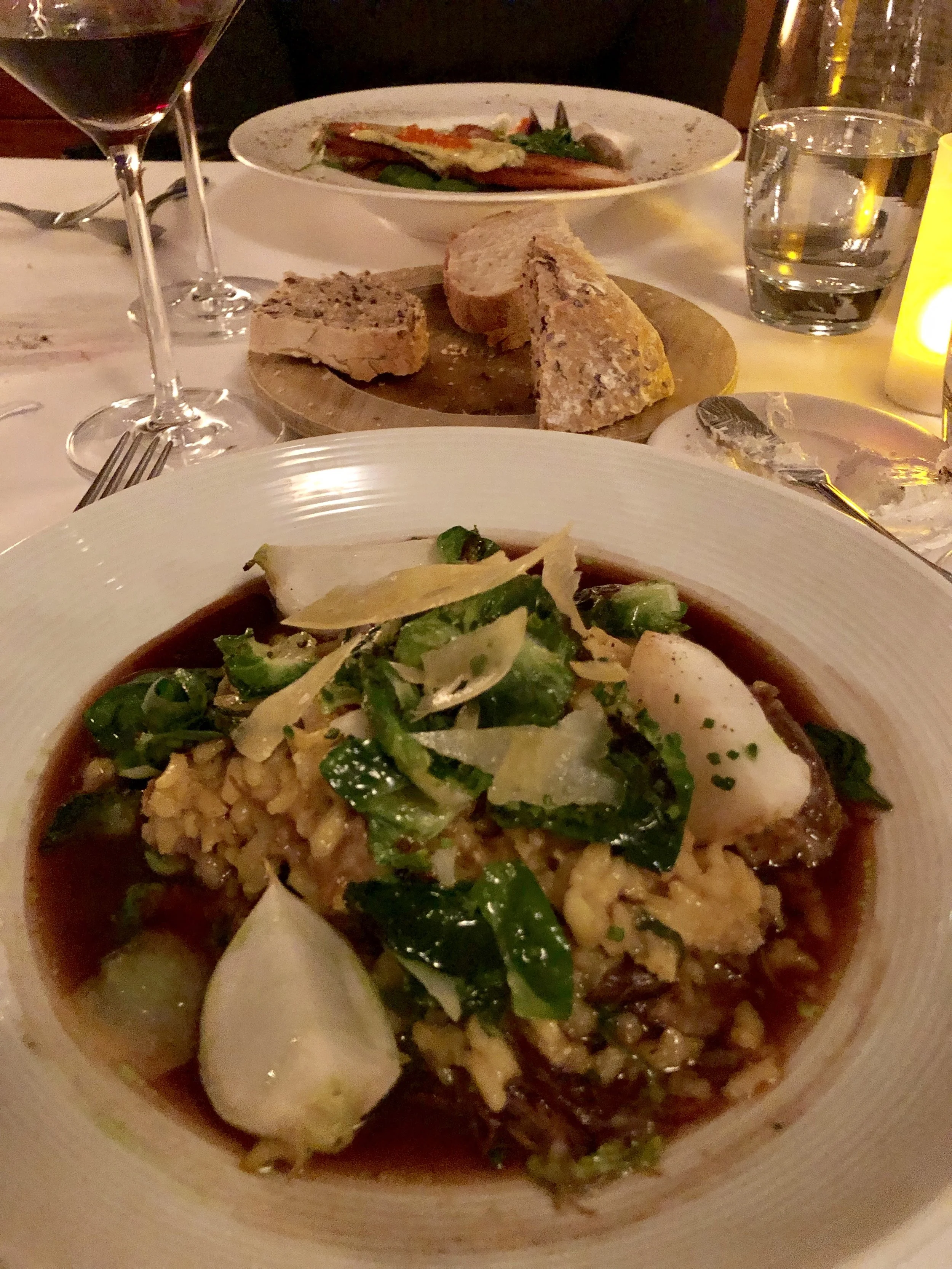
The idea of leaving the city for something more laid back probably has a lot to do with the vibe of the town. Everyone in town seemed to be extremely friendly and laid back. However, as we quickly found out, It can be hit or miss as to whether a restaurant or corner store is actually open. As in some small and local towns, the proprietor might just decide to close up early that day and put a sign on the door. Don't expect to find a Starbucks, McDonalds or Walmarts to run out for a quick snack in the middle of the night. After about 8 or 9pm, there is nothing but darkness to with barely any street lights on any road.
This is the reason you will want to go to Anderson Valley. You want to get away from the hustle and bustle of the big city. You want to relax, forget about social media and enjoy the company you are with while meeting the friendly locals. While you are at it, drink some great wine from one of the many vineyards and take in the beauty of Anderson Valley.
Pro Tips:
If you are coming from San Francisco and have time to spare, go take the Pacific Coast Highway (PCH). Although the 101 is shorter and also scenic, the PCH, gives you the ocean, and lots of little stops to see along the way.
If you are flying into the area and don’t have much time, consider flying into Santa Rosa. You will avoid San Francisco all together and you can make it up to Philo or Boonville in about an hour and a half.
Consider staying in Philo or Boonville. From there, within a 50 mile radius you will have access to the northern California coast, tons of wineries, hiking and great restaurants.
Cell service is spotty outside of the towns so plan accordingly. Don’t expect to have constant signal when driving, you will want to research your destination before leaving.
Recommended List:
Casual Food:
Fine Dining:
Wineries/ Tasting Rooms:
Toulouse Estate Vinyards
Lodging
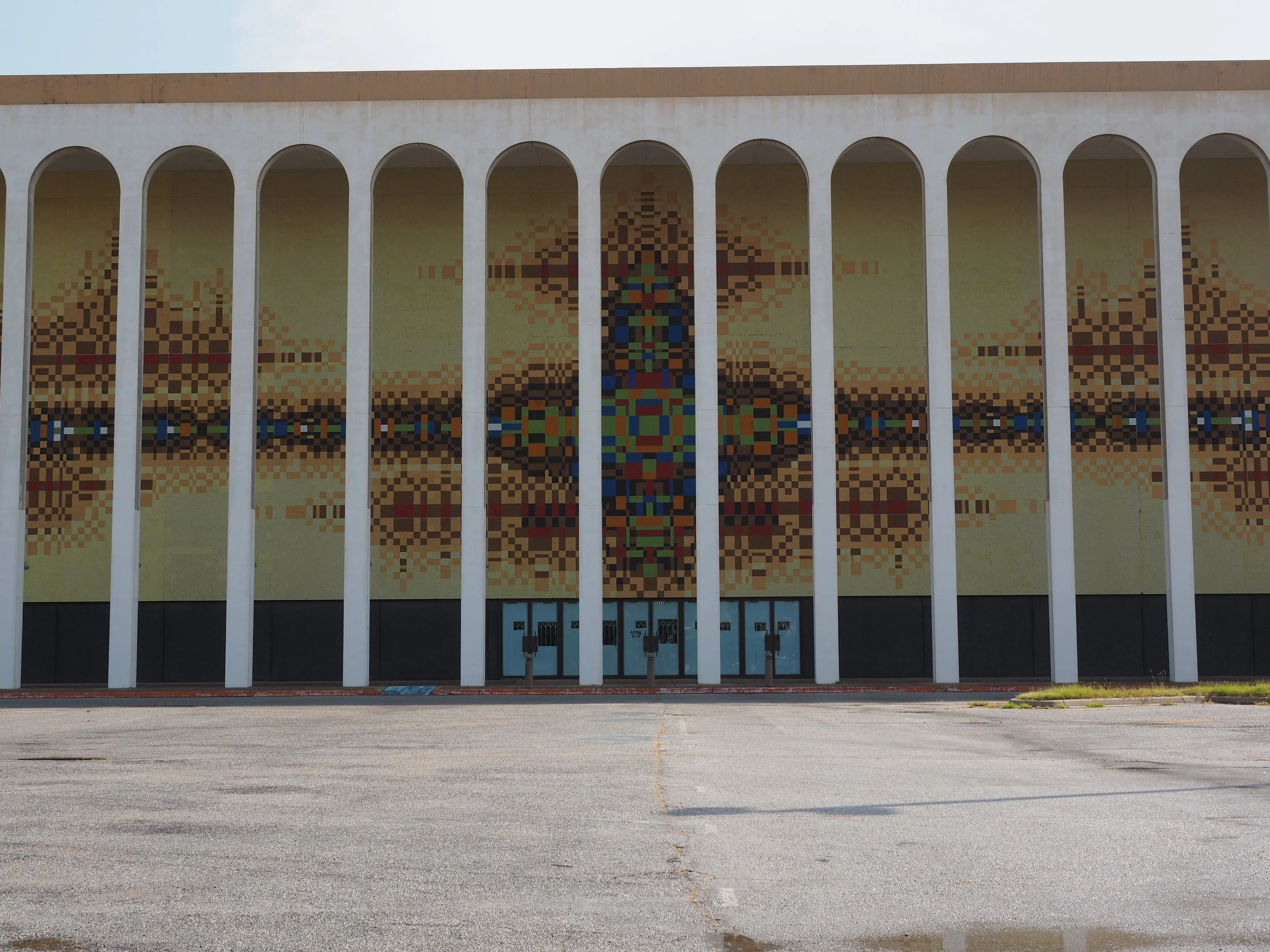
Valley View Mall Dallas
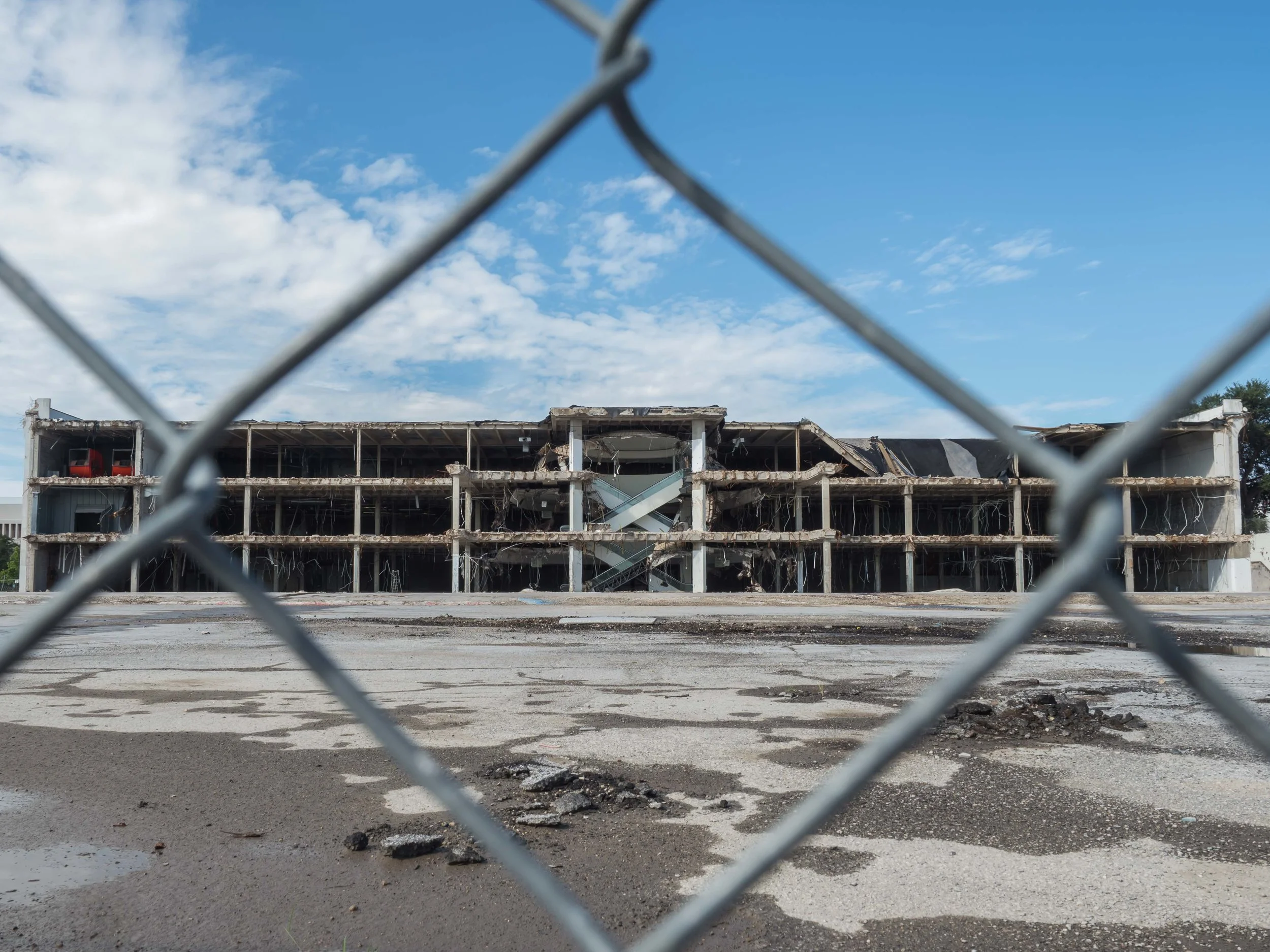
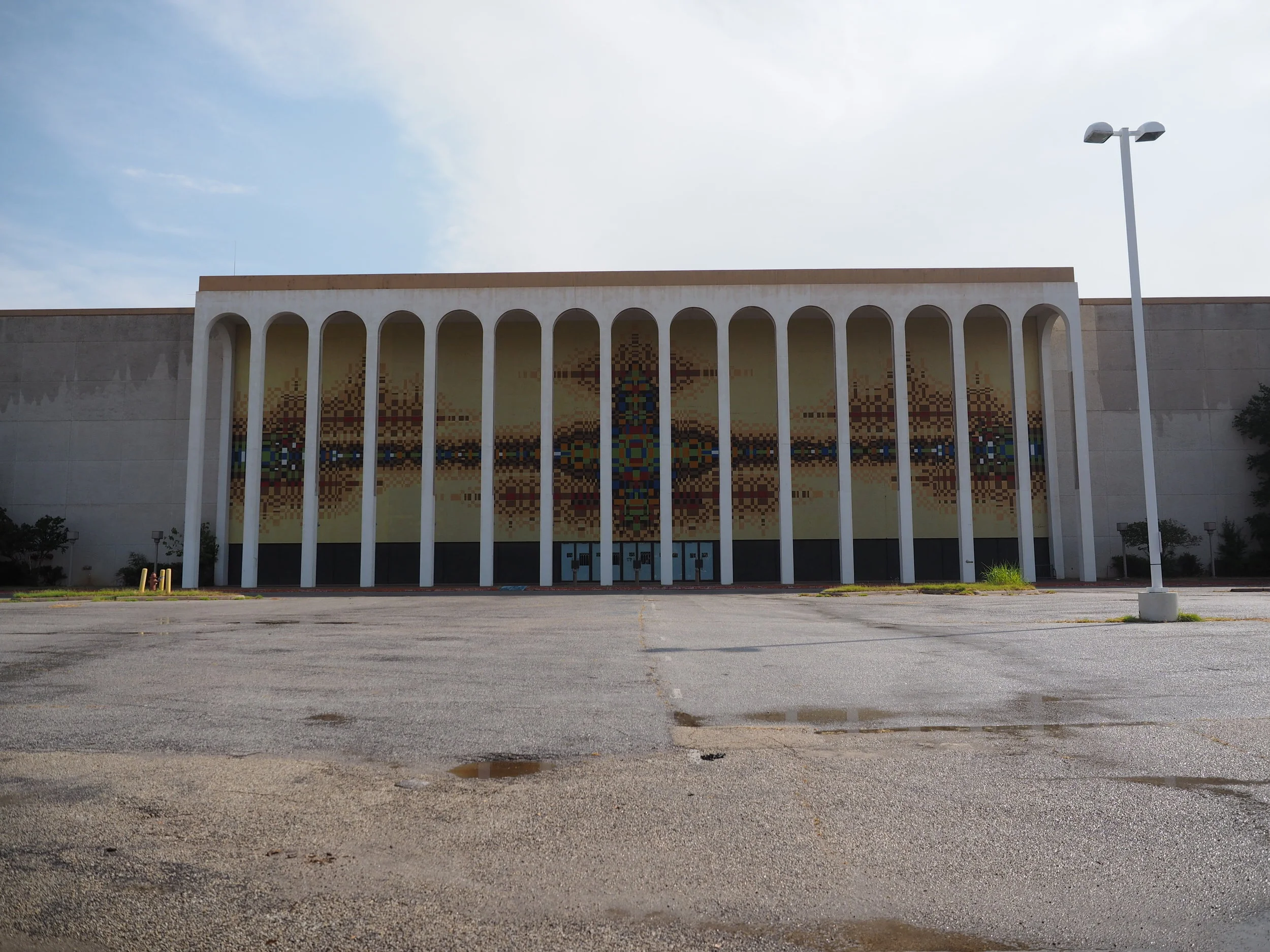
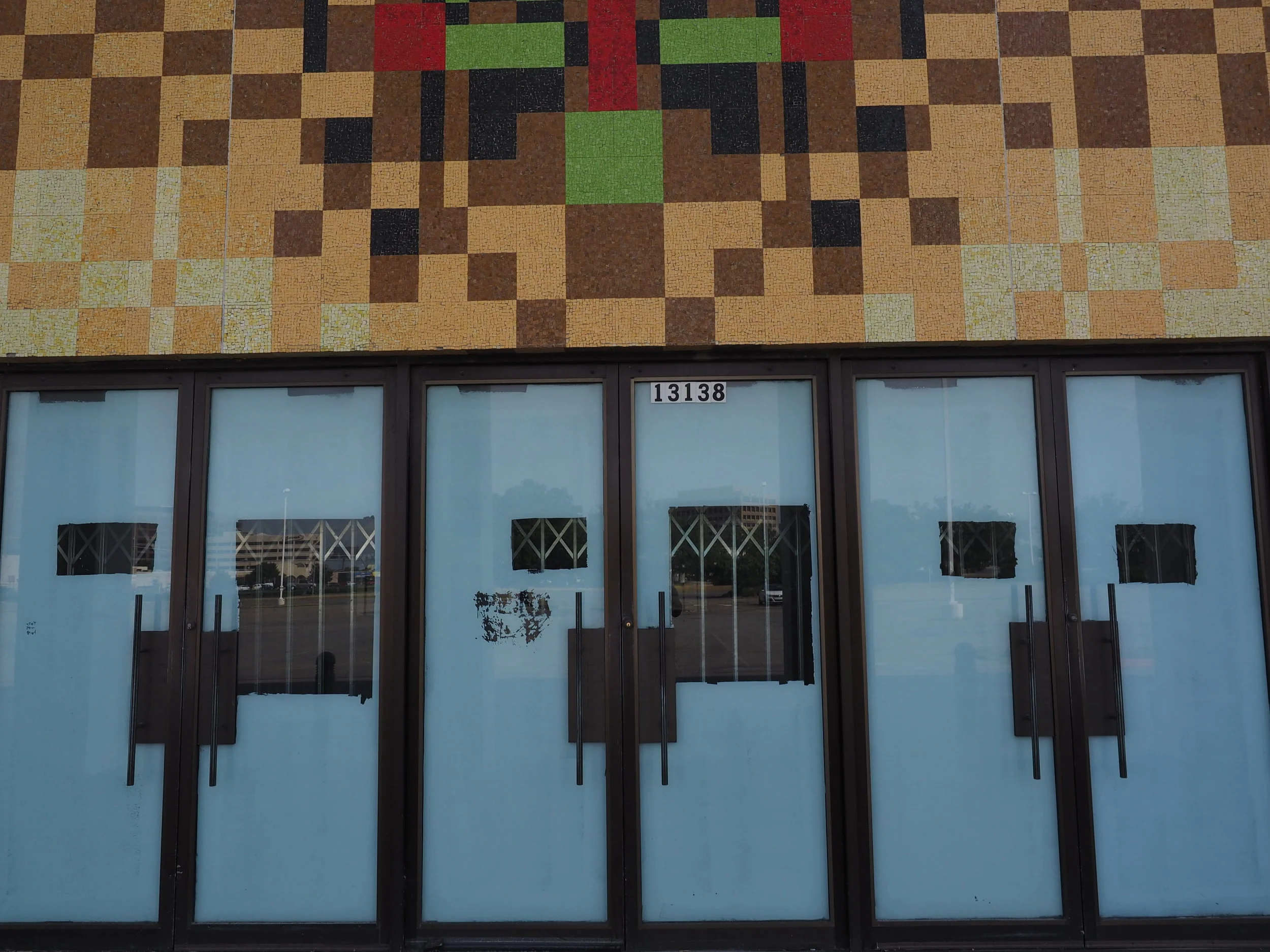
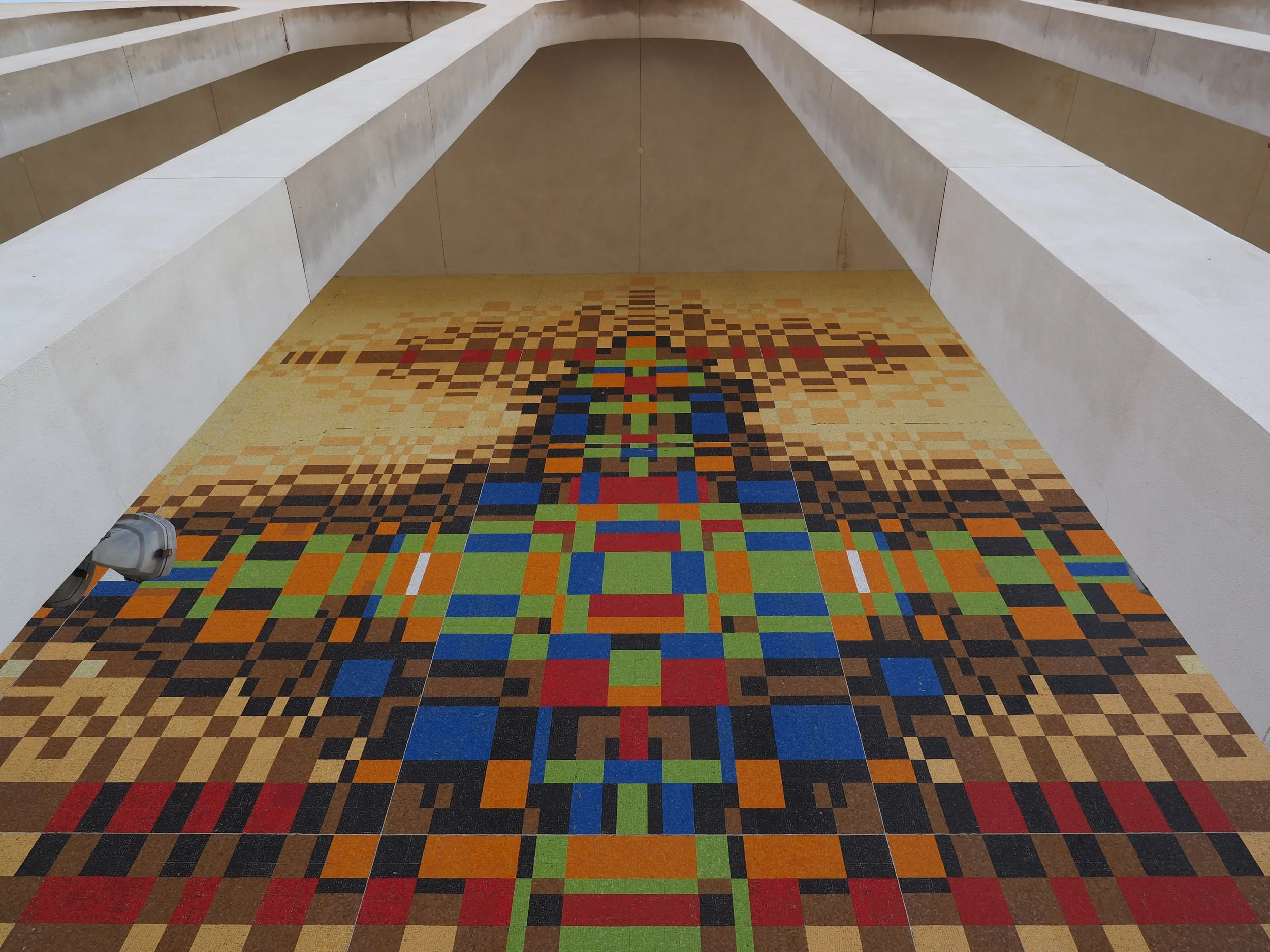
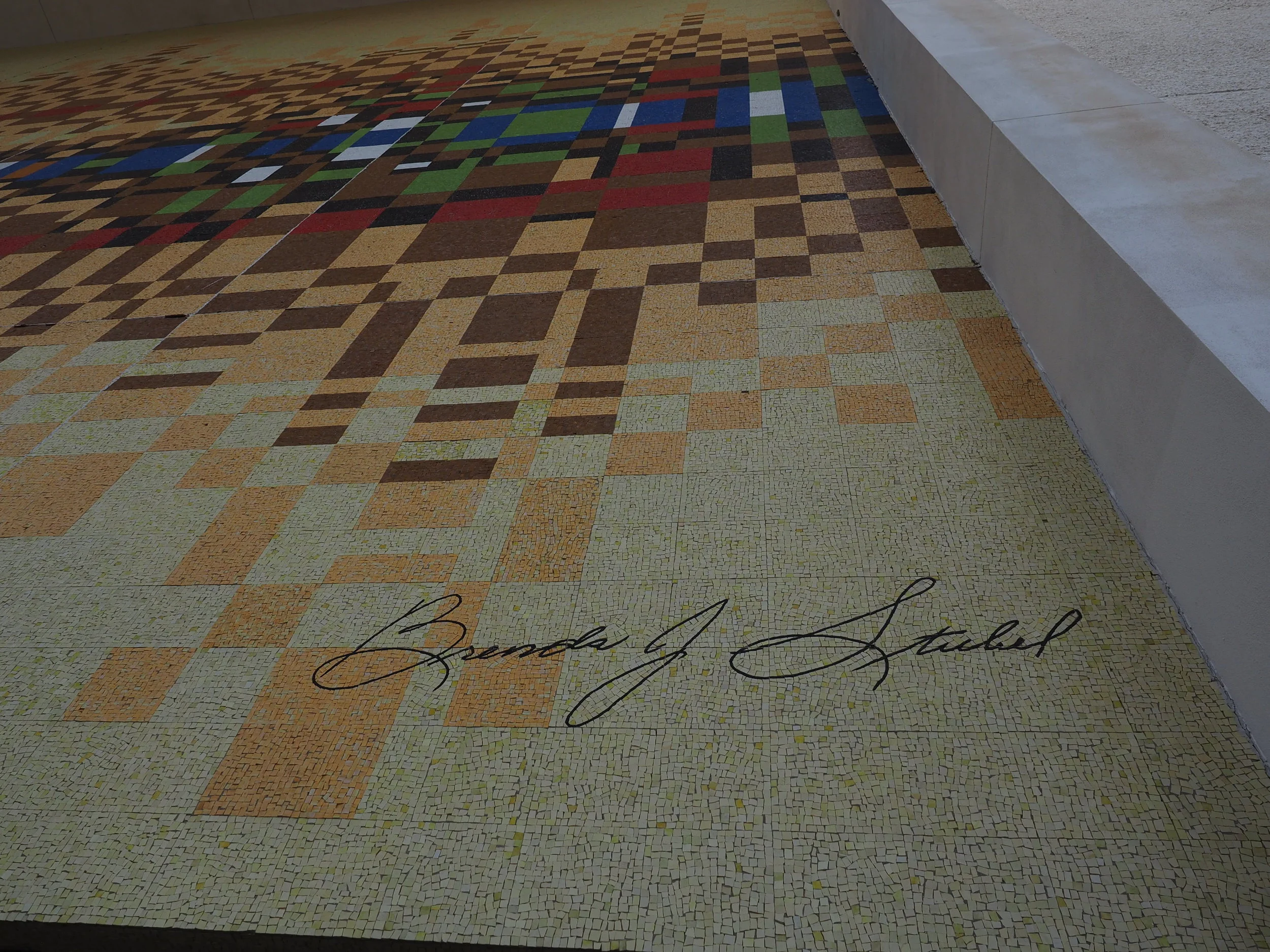
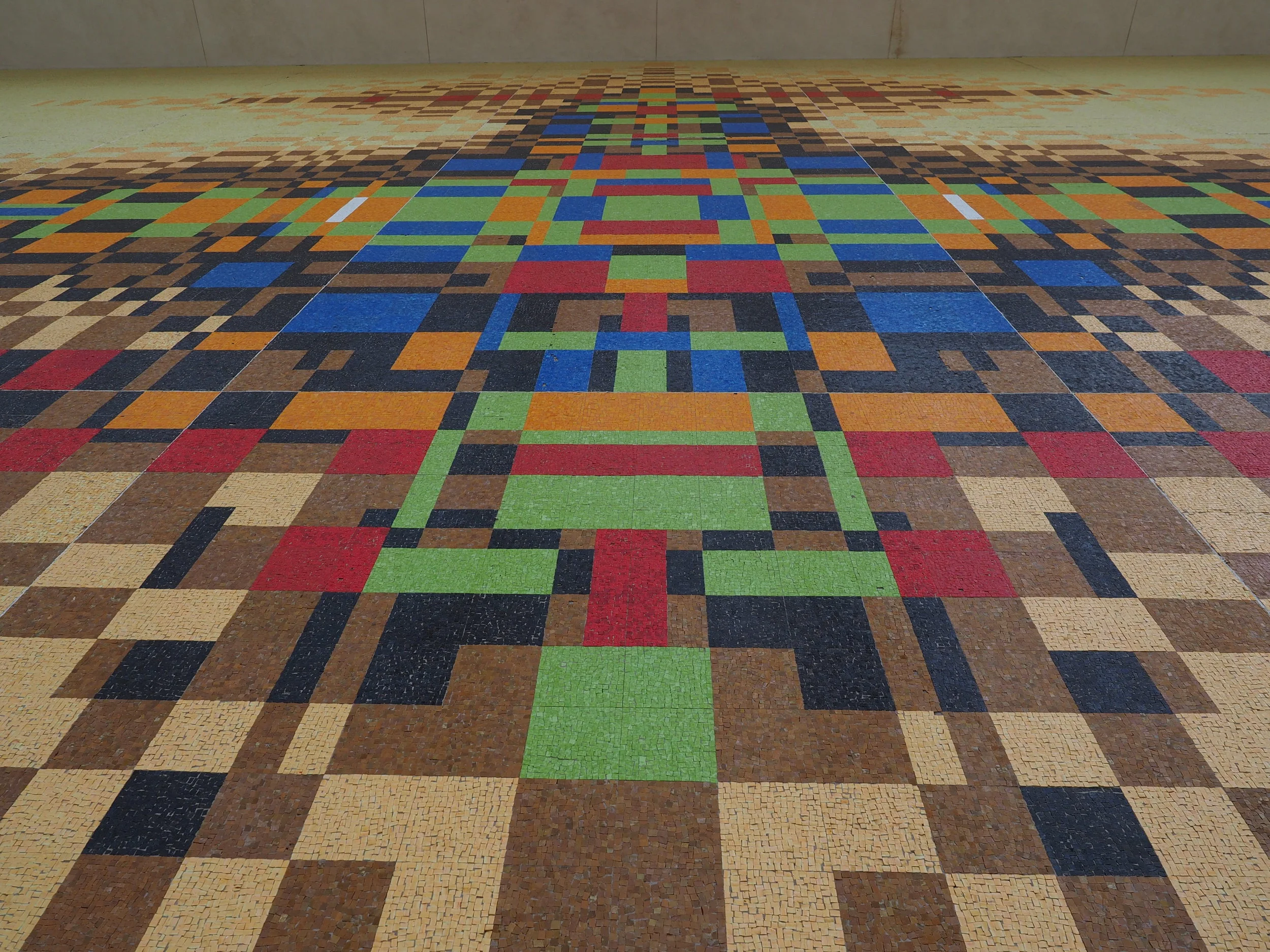
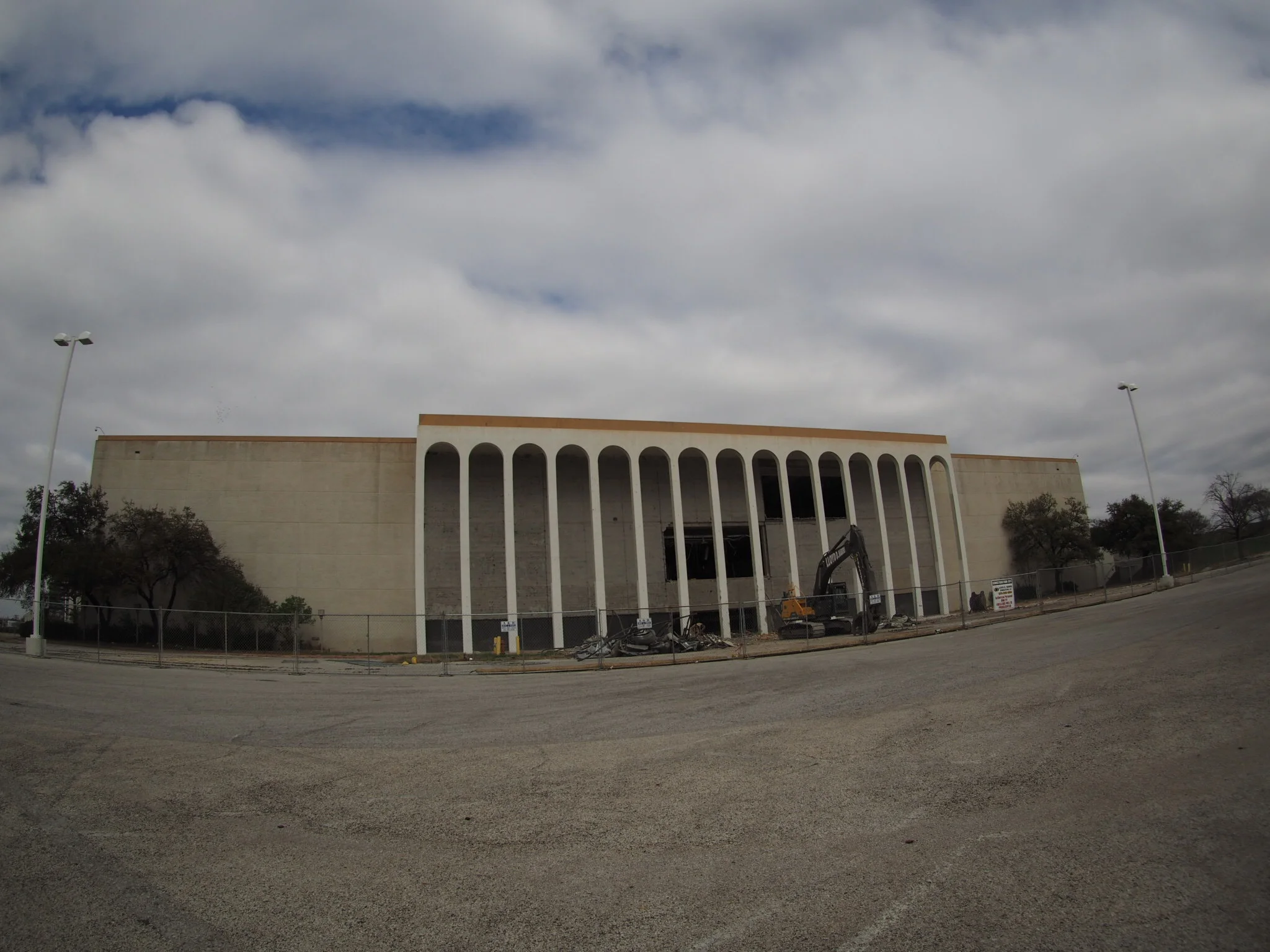
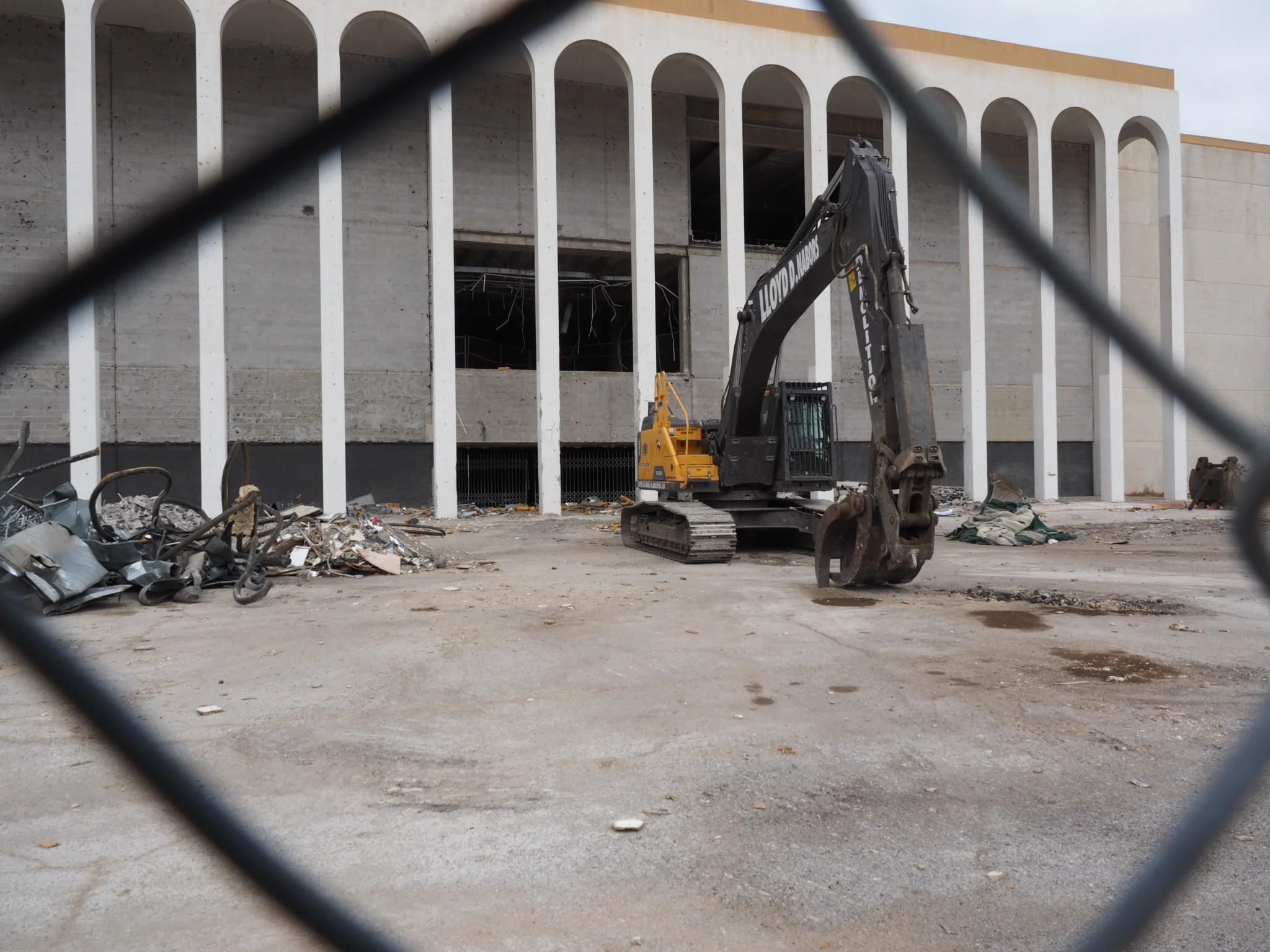
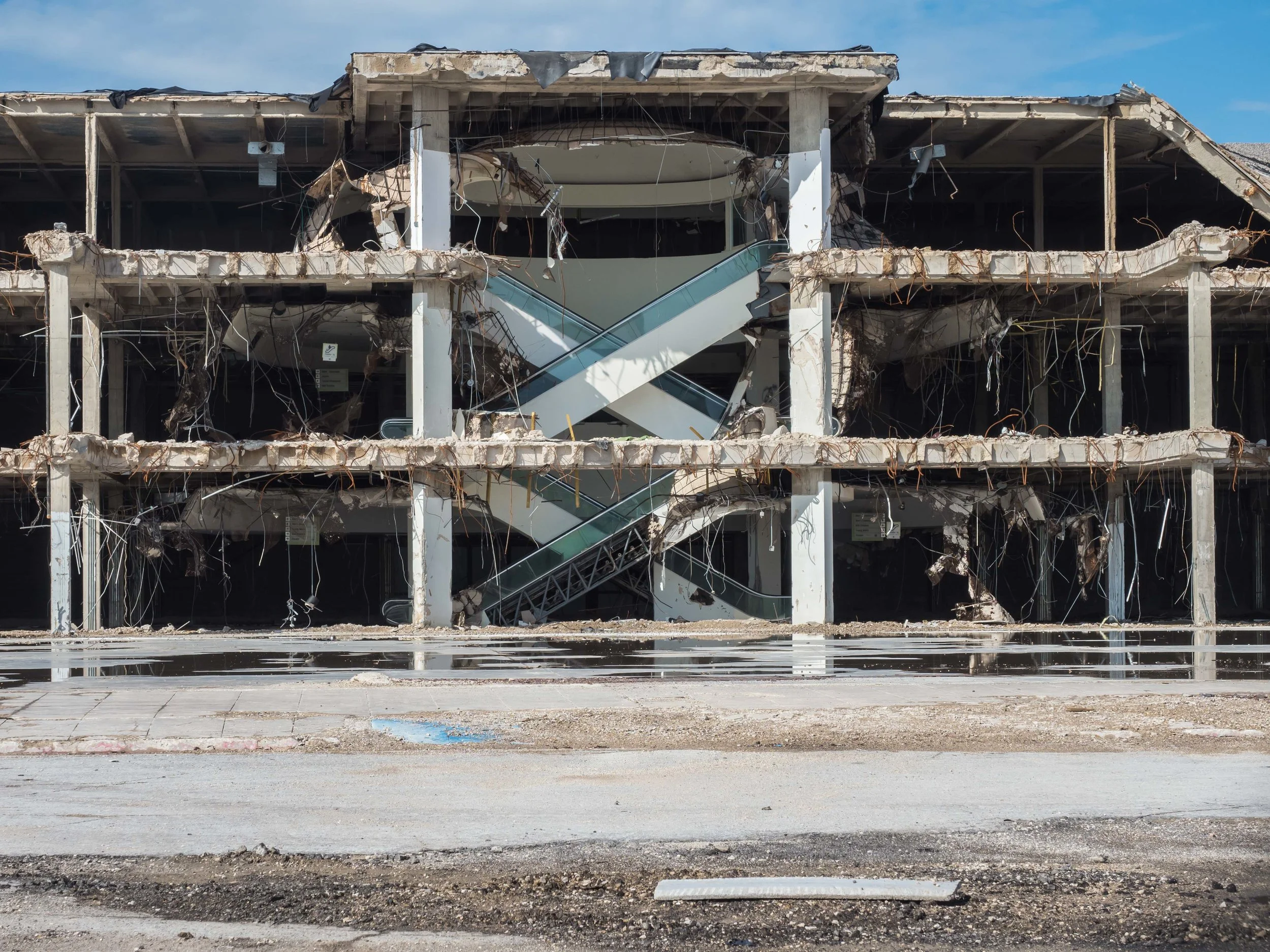
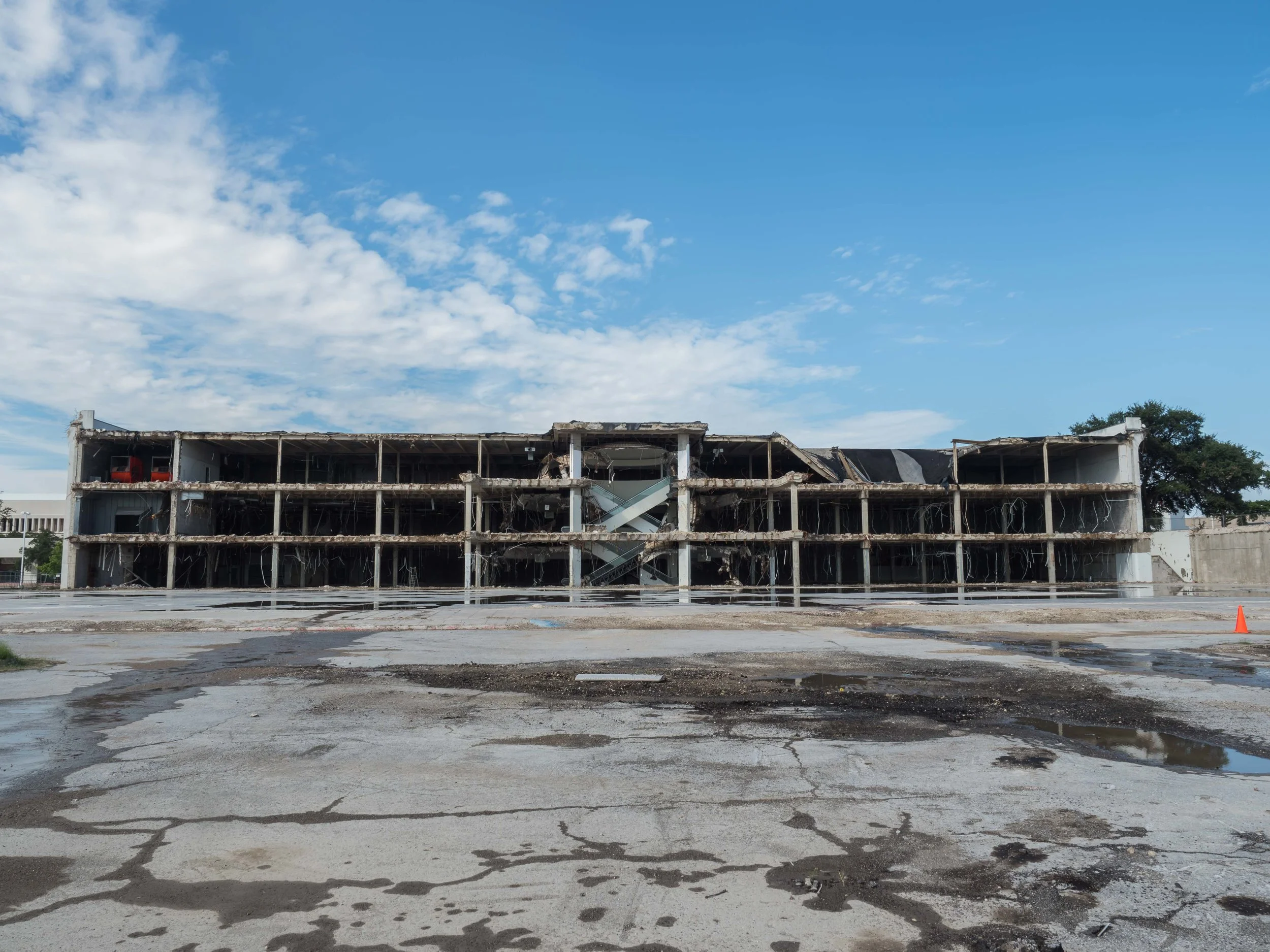
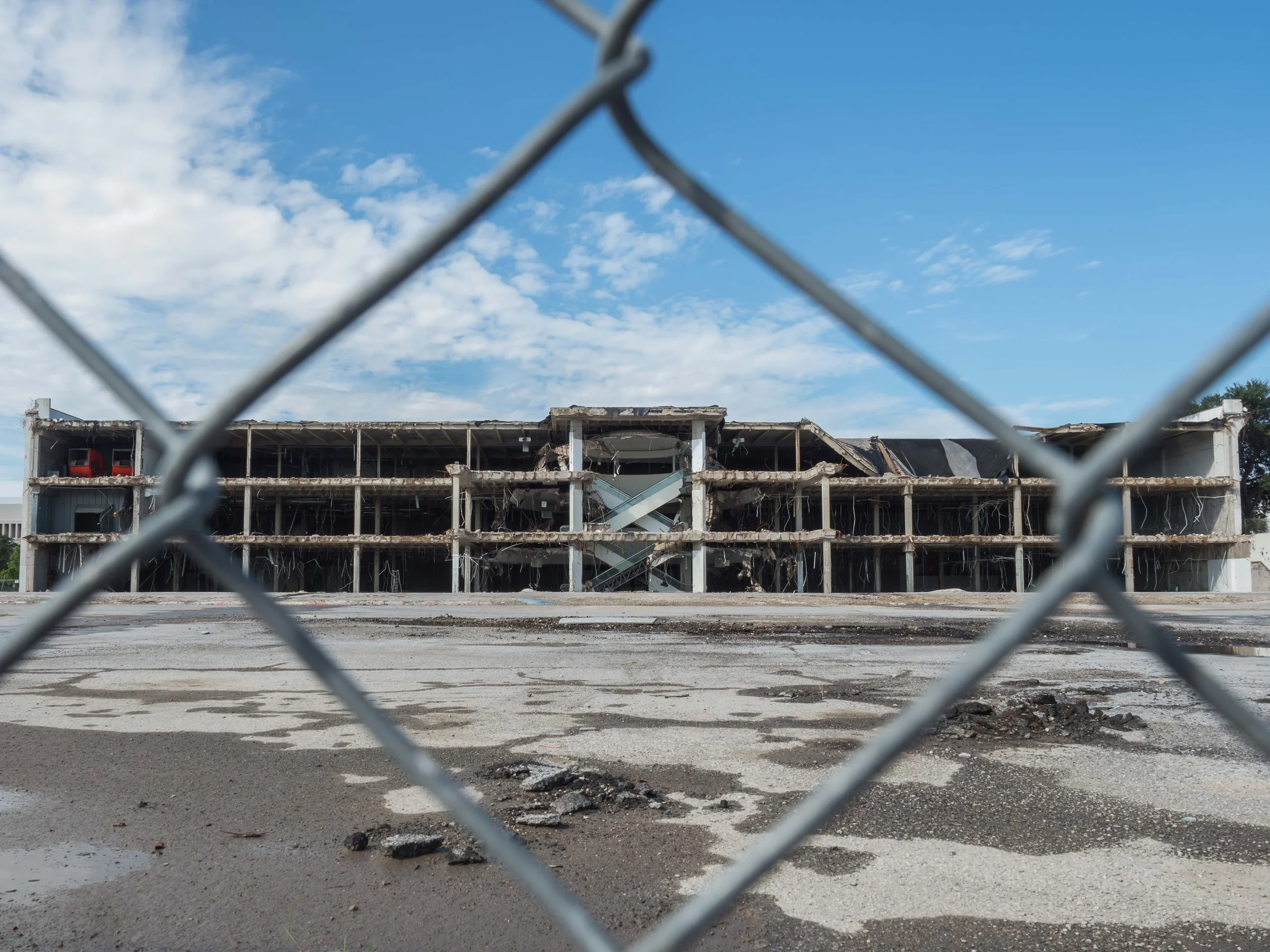
Originally a Sanger Harris store that had beutuful tile murals on the front. Now the only thing left is the structure with the escalators exposed.
What does Valley View Mall in Dallas have to do with photography? This mall is one of the last malls in Dallas to survive from the 70s. Valley View Mall at one time was big part of what we now call "North Dallas" and was a bustling center for a long time. Those beautiful mosaics associated with the mall, were created by Brenda Stubel, the long forgotten designer which give the old Sanger Harris store its signature look.
When I first came to Dallas there were three malls within a mile or two of each other; The Galleria, Prestonwood Town Center and Valley View. Prestonwood mall closed in 2004 and there is no sign that there was ever a mall in the area thats now populated by a Walmart and fast food joints.
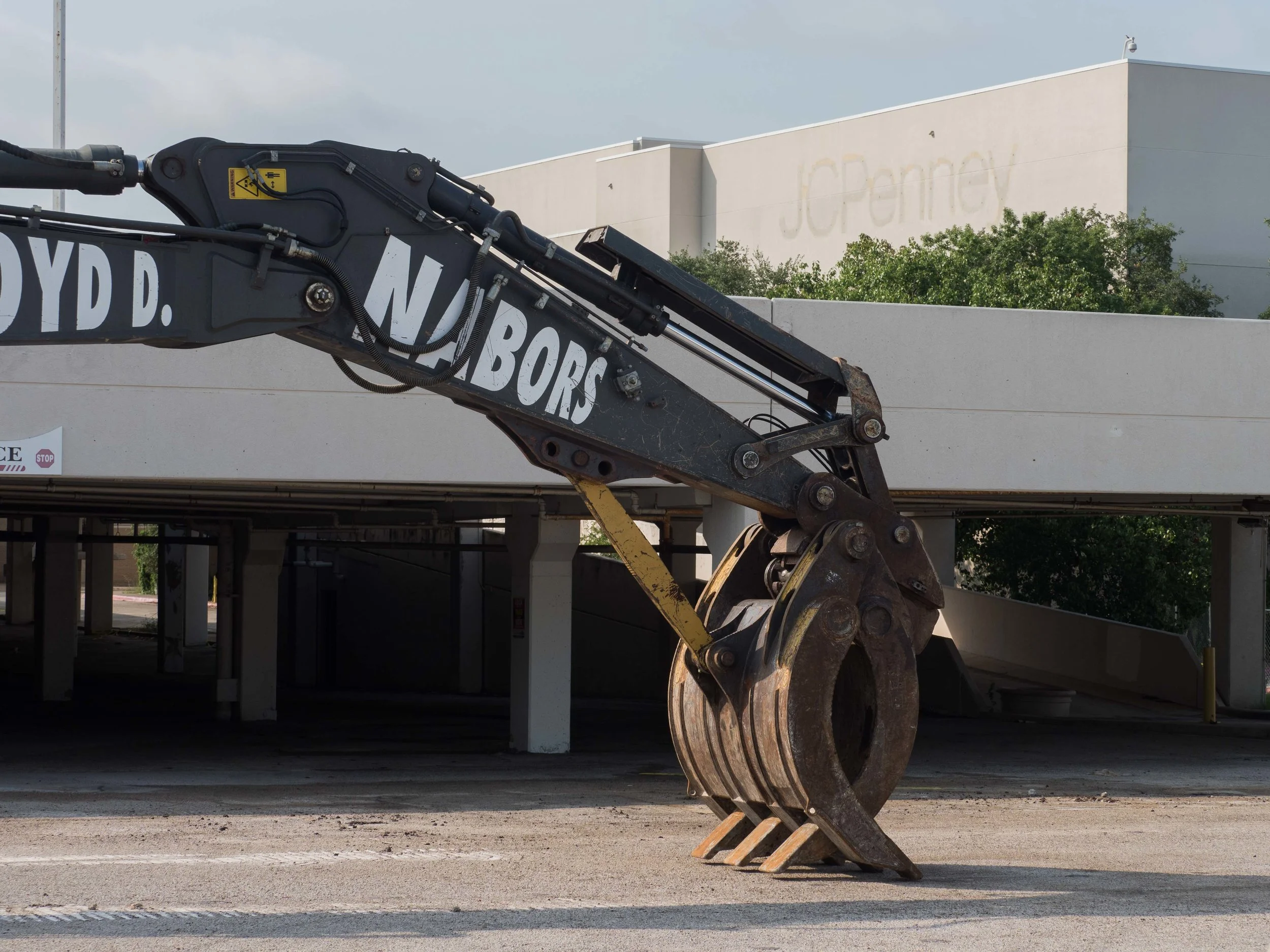
Valley View held on for as long as it could against The Galleria but now its fate is sealed. The other day I went to the Demolition Ceremony for the mall and heard from Scott Beck who's behind the masterplans to revitalize the area. The new name for the area is Midtown and I'm pretty sure once the mall is all gone and the new development starts, we will forget about Valley View. For that reason, I thought I would capture a few images of what remains of the most interesting part of the mall.
I will miss Valley View Mall but the time has come for this area to see new life!
Photography created by Derrick L Shaw
Why I shoot with the Olympus OM-D E-M1
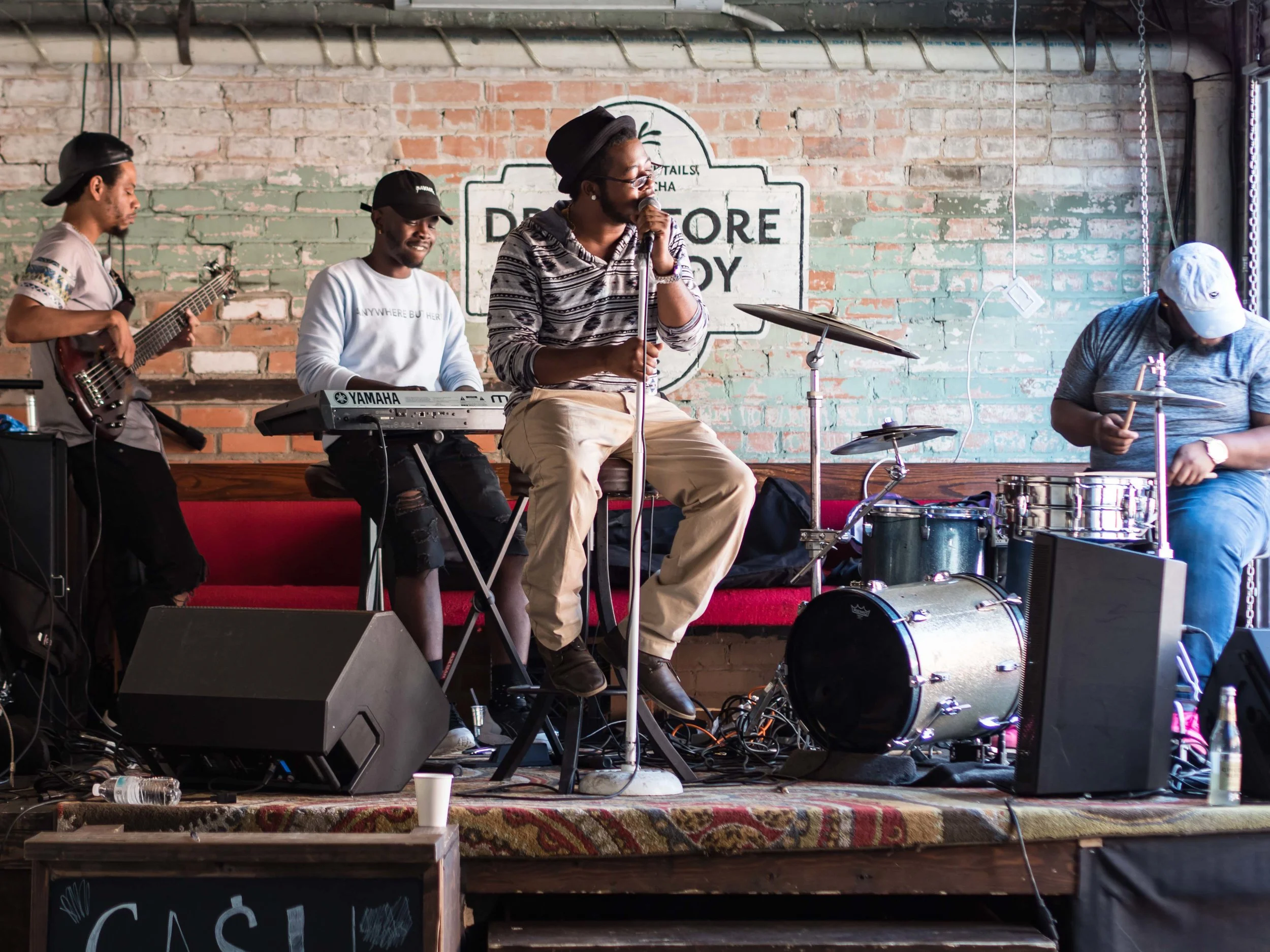
Drugstore Cowboy - Deep Ellum, Dallas, TX - Photo by Derrick L Shaw
i decided to write this blog post because of a question that I get asked constantly. No offense but this question is usually asked by people shooting with legacy camera brands such as Nikon or Canon. The question in general is always something like "Why do you shoot with a mirrorless camera?" Some might also ask specifically, why do you shoot with an Olympus camera?
To start with, I'm what I would call an advanced amateur photographer. I make pictures but I do not consider myself a professional and I don’t make a lot of money doing it. Why do I call myself an advanced amateur? It is because i’m always learning. Also, I’m relatively new to making pictures as I didn't start shooting with a purpose until about 8 or 9 years ago. My first “nice” camera was an Olympus PEN E-P1. I had thought about getting a camera off and on but one day I finally decided to pull the trigger and for some reason that was the camera that appealed to me. While I enjoyed that camera quite a bit, I knew nothing about sensors, focal length, aperture, ISO or shutter speed. I didn't even know that the E-P1 was considered a mirrorless camera. For the most part I was shooting with all the automatic settings.
Eventually I made my way up to the Olympus OM-D E-M5 which I loved even more. The image quality of that camera was great and I also loved the styleand the size of the camera. The only thing that broke me from that camera was the new (at that time) Olympus OM-D E-M1 that came out about a year or so later. I used that camera up until this year when I upgraded to the OM-D E-M1 mark ii.
Over the years I've tried some of the bigger full frame cameras that my friends use but for me the body and the lenses are just to big and bulky when compared to my camera. Also the image quality difference and the Bokeh is not really noticeable to me. Bokeh is always that subject that people bring up when comparing a full frame camera to crop sensor but for me and for the type of images I shoot, it's not a big deal. Besides I can get plenty of Bokeh with the right lens. (Try the Olympus 75mm f1.8 or the Leica Nocticron 42.5mm f1.2 and let me know what you think about the bokeh!) I've become used to the small compact size of my camera and for the type of shooting that I like it works out great.
I realize there are some benefits to shooting with a DSLR over a mirrorless but those differences are getting smaller and smaller. I’m not going to talk about those in this post but I will give you a few benefits of using a mirrorless camera.
With a mirrorless camera you have the options of focus peaking and focus point magnification. When you use these features the camera will highlight on the screen the parts of the image that are in focus. When shooting in manual, it almost eliminates the possibility of something being out of focus.
The lens size difference is huge. On a full frame camera a 600 mm lens for example, is a huge. No human can hold that lens for that long and get a decent shot and therefore a tripod is required in most cases. On my camera a 600 mm equivalent lens is slightly smaller than the Canon 80-200 lens. I can hand hold that lens all day. Also with the Olympus bodies have image stabilization built into the body which the advantage of being able to hand hold and shoot with most lenses regardless of if they have image stabilization built in.
A mirrorless camera can show you a live histogram in the viewfinder so you can see the effect it has as you adjust the settings. This is something that a DSLR cannot do. Also a mirrorless camera will show you an image preview in the viewfinder exactly as the image will be taken. You can adjust your exposure and see what will happen to the image before you take it. A mirrored DSLR cannot do that.
When traveling, I can take a body and up to 6 lenses, plus some accessories in a backpack. My full frame DSLR friends can't do that. To take the same equipment, it would require a suitcase and more. I can travel light and also take some equipment with my while hiking or just walking around the city without breaking my back.
Since mirrorless cameras are mostly digital, the manufacturer can do a software update and in some cases its almost like having a brand new camera.
I'm not here to rain on the parade of people who shoot with DSLR cameras, I just wanted to address those that keep asking me about mine. Shoot with whatever you want with, even it it’s an iPhone and if that works for you, then keep doing it. We all know deep down that a really good photographer can make great pictures with any kind of camera.
I would love to hear you comments
5 things I've learned as a photographer!
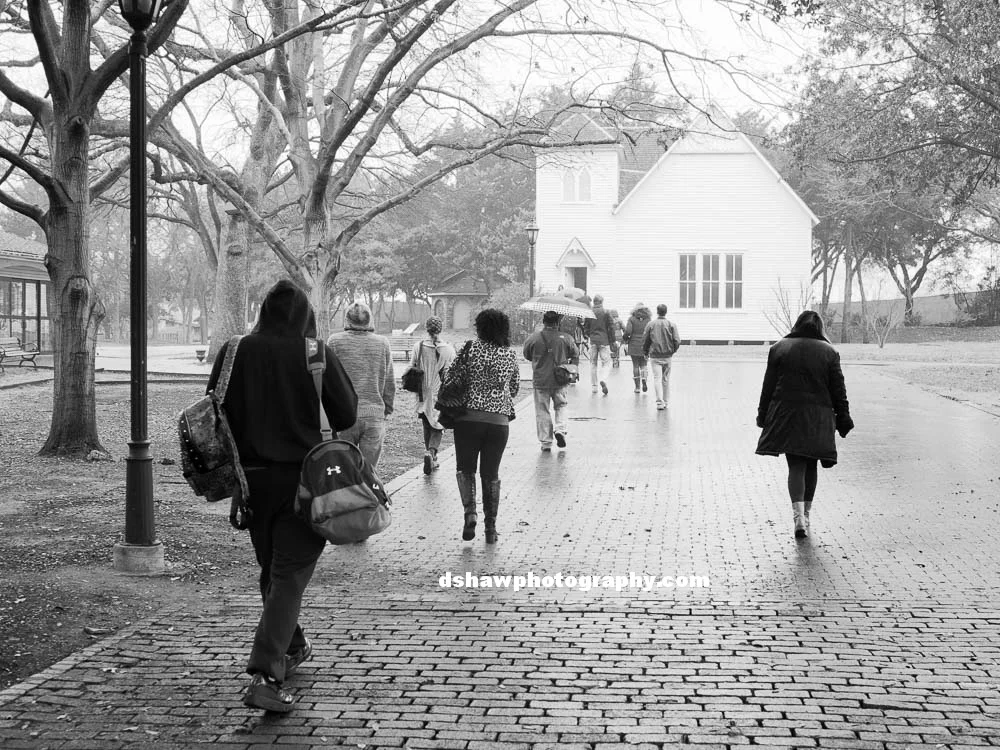
Heritage Village Dallas, TX - Photo by Derrick Shaw
I’ve been making photos for about 10 years but only in the last 5 years have a made a concerted effort to improve my craft. As I've looked over the photos I've taken over the years i can definitely see a huge improvement. I can even see the difference from last year to today. After thinking about this, I decided to put together a list of the top 5 things I've learned over the years.
#1 ) You must know your gear inside and out!
The more you know about your gear, the less distracted you are when you are shooting pictures, therefore you can focus more on the art. Your camera should feel like an extension of your arm and you should know how to adjust the settings quickly. There is nothing like being in a situation where you missed a shot because you were fidgeting with your gear. Other than maybe landscape photography, in most cases you have a limited time to get the shot. If you are shooting with a client, the last thing they want to do is sit around while you try and figure out how to work your gear. Also If you are shooting action or street photography, you only have a brief moment to get the shot so invest the time to learn your camera settings.
If you dont understand the photography basics, do a quick google search on shutter speed, ISO and Apeture to start. Then get out your camera manual or download it from the internet and start with page 1. You can also subscribe to a service like lynda.com or skillshare.com that offer a wide array of on demand coursework.
#2) G.A.S is a real thing.
G.A.S. or Gear Acquisition Syndrome is definitely real. These days, new camera gear comes out more often than it did 10 or 20 years ago. With blogs, youtube, and social media, its easy to get caught up in having the latest and the greatest gear available. The problem is you never get to know the gear that you already have and you end up wasting money. If you are constantly reading about all the new camera gear or you buy gear that you don’t need “just in case” then you might have G.A.S. If you are a street photographer, you don’t need 5 other lenses designed for landscape photography and vice versa. One way to get over this is to find a local camera store and rent the equipment that you are lusting after. You can also try an online source like www.borrowlenses.com'. After you rent it you might realize you don’t want it as much as you thought or maybe it will satisfy that craving.
#3) Don't give away your services for free (or at a discount).
As humans we have a tendency to want to help out a friend or family member. Thats very nice but, we also have to make money. If you continually give away your service for free or at a discount, people will automatically place less value on your services. Your time is valuable and for those who don't want to pay, send them to someone else who might give them a cheaper rate. I would rather work less and make more money than to work for free or at a discount. If you do give a discounted rate, make sure you give them an invoice that shows what your FULL rate is and the discount that you gave them so that there is no confusion as to what you time is worth. Remember, creating the photos are only half of it. You have to consider, your equipment, your travel time, and the time it takes to edit and sent the pictures afterwards. If you shoot an event for 2 hours you should automatically add another 2-3 hours for post processing work as well.
#4) Create as much as possible.
The only way to get better is to continuously shoot and to shoot daily and often. If you are street photographer get out and take a walk and shoot. I you are a landscape photographer go for a hike. One thing that works for me is to have a plan when going out. For example, pick a particular feature from your camera or a particular subject matter and focus on that. One day, go take a picture of bridges and see if you can capture pictures of bridges in a unique way. You could try focusing on a single color and see how many things you can find that have the color blue. If its is people, pull out your portrait lens and see how may people you can convince to let you make their portrait. As mentioned in number 1 above, you must know your gear in and out and one of the ways you can do that is to keep shooting.
#5) It is less about the camera and more about the art!
A nice and shiny new camera lens is a great thing but that doesn’t make you a great photographer. Have you ever heard someone say thats a great picture, you must have a nice camera? Some of the best photographers out there shoot with entry level cameras, older gear or even film cameras. Check out this article on fstoppers.com and you will see some of the most amazing pictures taken with entry level cameras. Also check out this article on time.com showing the best iPhone photography of 2016. So stop making excuses that you are waiting for that next lens or that next camera body to get that shot. If you are a skilled photographer the gear becomes secondary once you learn the ins and outs of how to use it. After that, the art takes over. As the saying goes “what is the best camera for taking photos? It is the one thats with you right now.
Please email me your comments below!
I would love to hear from you.
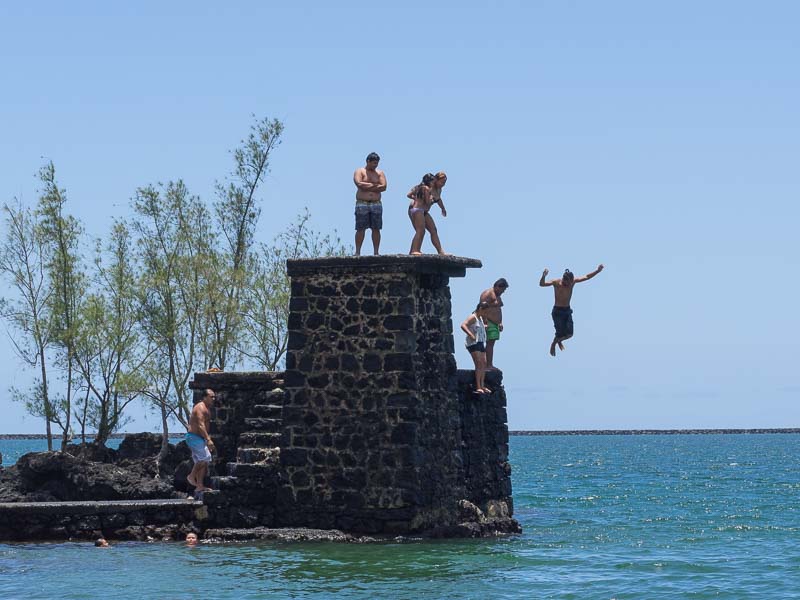
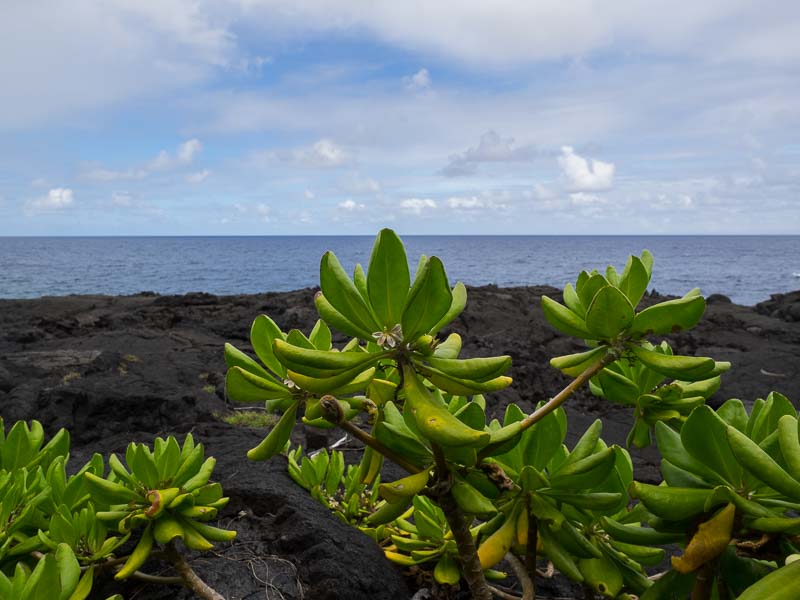
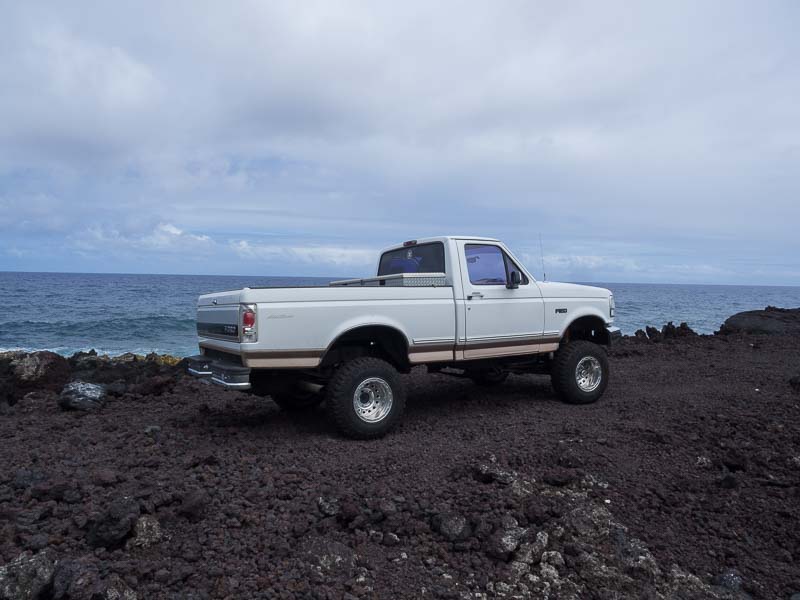
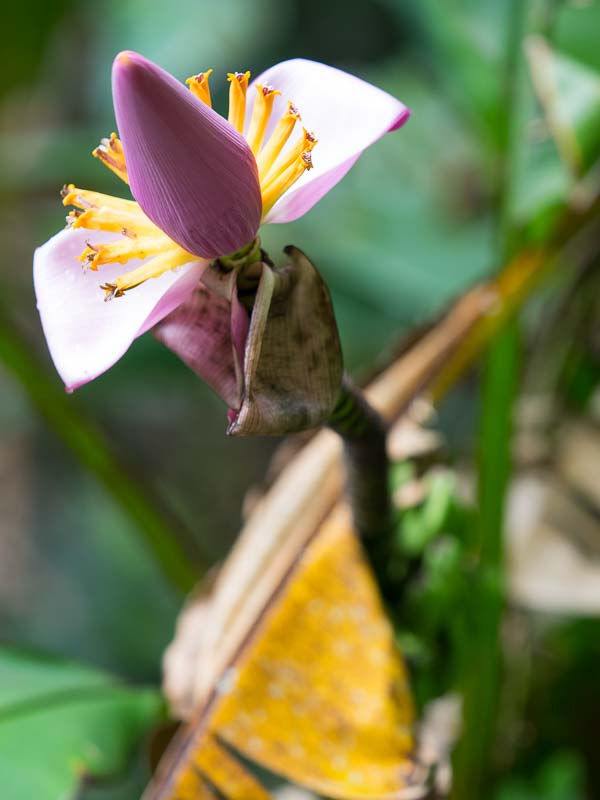
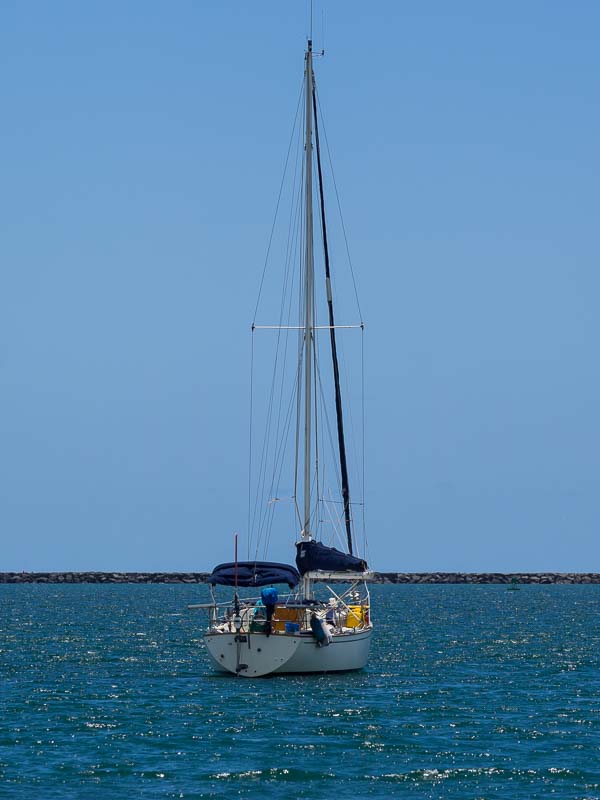
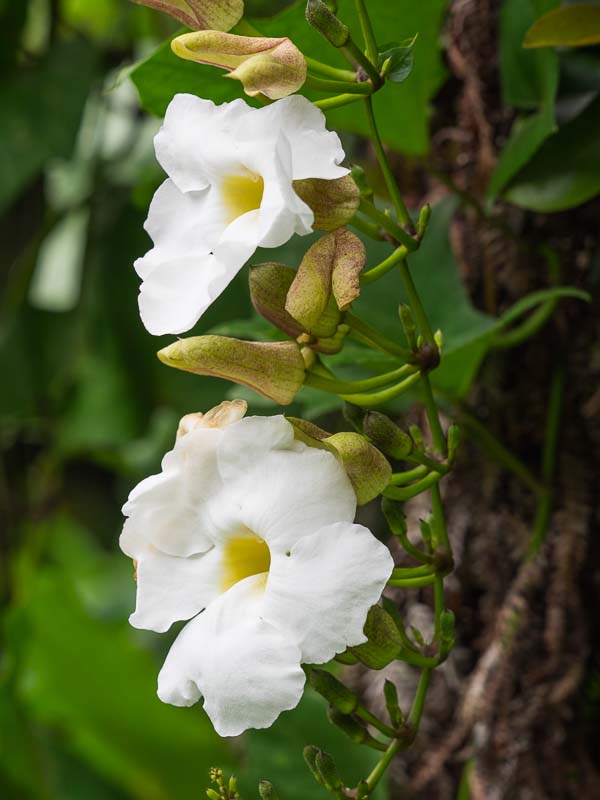
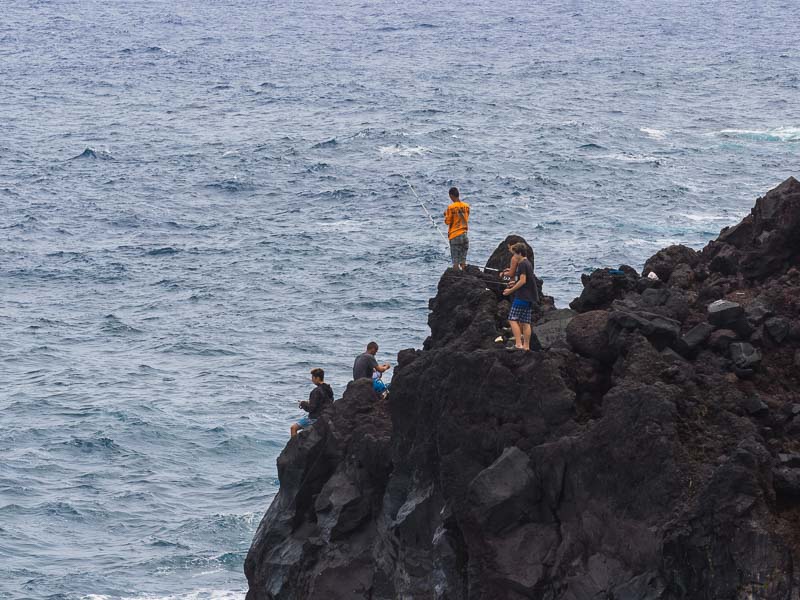
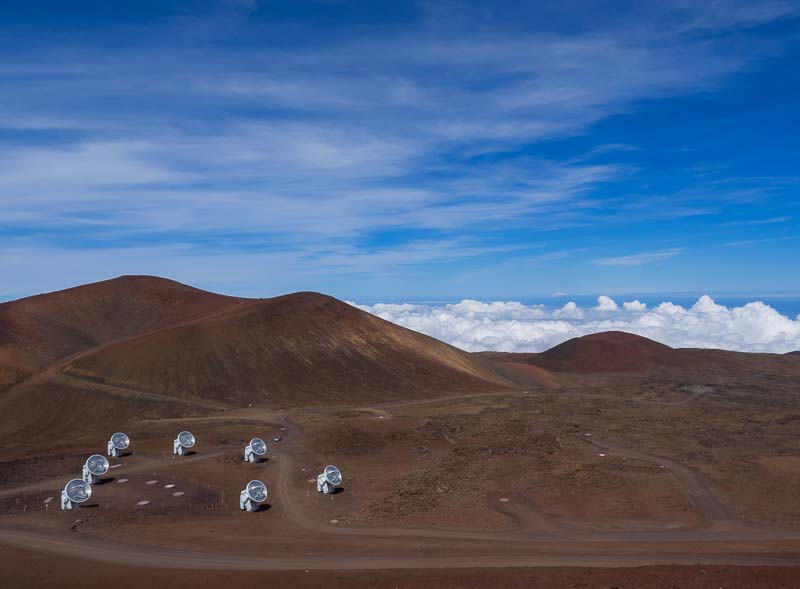
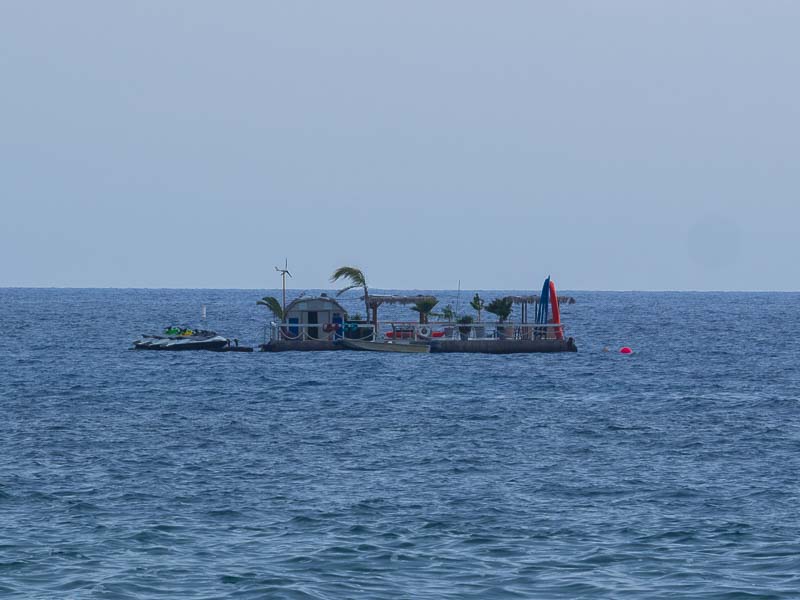
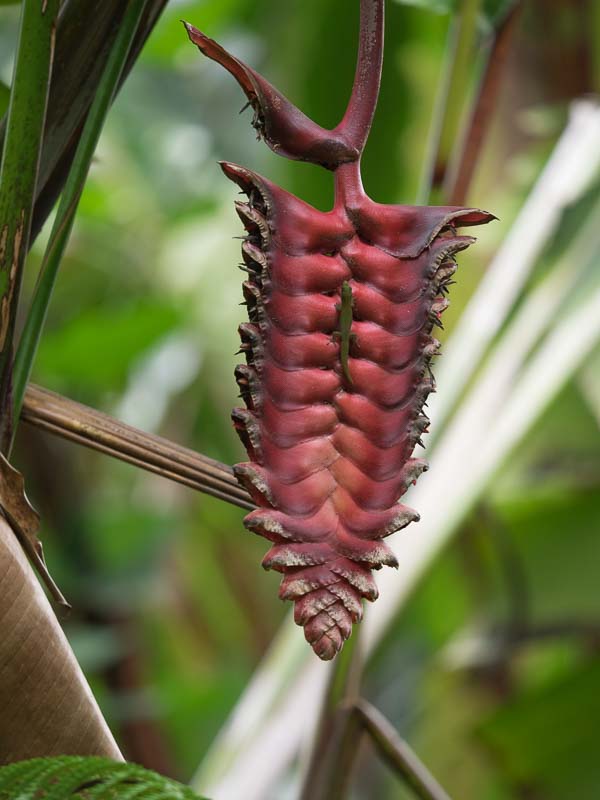
Big Island - Hawaii
I spent some time on the Big Island in Hawaii and I was able to get a few shots in while I was there visiting family. Most of my time was spend with family but I was able snap a few shots here and there. As you can imagine, it is an amazing island and I can't wait to go back.
All Photos by Derrick L Shaw
Dallas, TX Photo Walks and Workshops
I'm working on a photowalk / workshop for those that are visiting the Dallas, Fort Worth area. Although Dallas might not be the most common city to visit for street photography like San Francisco or New York, there are definitely some interesting places to photograph. Check back for more information on this in the next few months.